Volunteers sought to destroy Himalayan balsam on Lincolnshire river bank

 Science Photo Library
Volunteers are being sought to help clear a destructive species of plant near a Lincolnshire river.
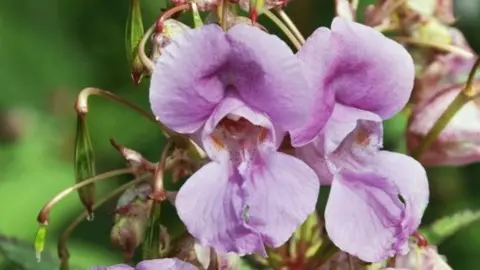
Himalayan balsam, a non-native species, outcompetes native plants on riverbanks, reducing biodiversity.
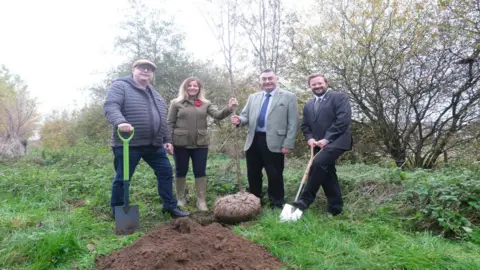
The "balsam-bashing" event, organised by the Lincolnshire Chalk Streams Project, aims to lend "a helping hand to eradicate this invasive species".
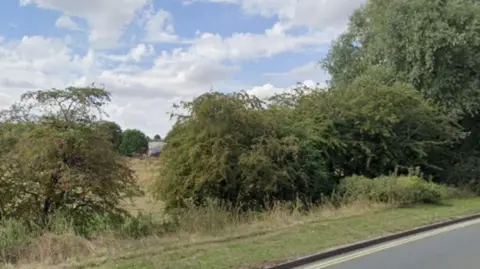
The event takes place on a stretch of the River Waring, near Horncastle, on Friday.
Left unchecked, Himalayan balsam dies back in the winter, leaving the banks open to erosion as the root system disappears, a spokesperson for the group said.
"The owners of the site have been bravely battling balsam for many years, and have made some headway, but we're here to give them a helping hand to eradicate this invasive species," they added.
Anyone interested can contact the group via their website.
Himalayan balsam
- Himalayan balsam is a non-native invasive species which has become widely naturalised along riverbanks and ditches, especially close to towns
- It is fast-growing and spreads quickly, invading wet habitat at the expense of native flowers
- Its explosive seed pods aid its spread by sending the seeds into the river, causing further dispersal downstream
- Removing Himalayan balsam from the riverbank helps to encourage native plant species to grow
Source: Lincolnshire Chalk Streams Project

Follow BBC East Yorkshire and Lincolnshire on Facebook, Twitter, and Instagram. Send your story ideas to yorkslincs.news@bbc.co.uk.