RSPB hails natterjack toad 'baby boom' at Lodge reserve

 Ben Andrew
One of the UK's rarest toads is thriving at a nature reserve despite unfavourable spring breeding conditions, conservationists claim.
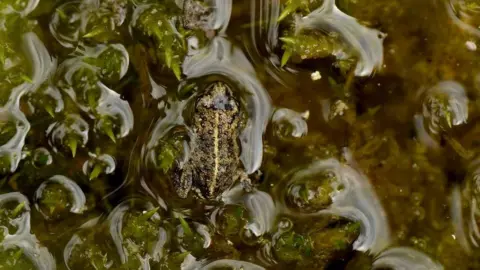
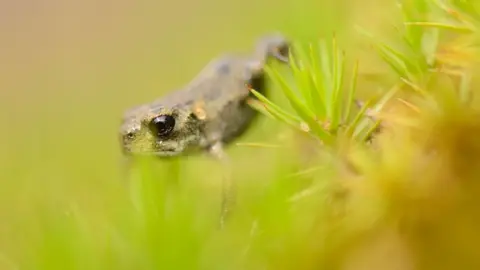
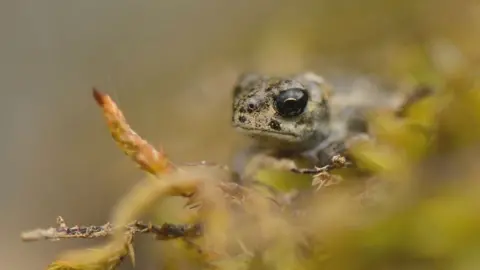
About 500 natterjack toadlets have been counted at the RSPB's The Lodge reserve near Sandy, Bedfordshire, - fives times more toads than were counted in 2016.
Another 2,000 tadpoles have also been identified and were an indication of a "baby boom", the charity said.
The protected toads are only found at 60 sites in the UK.
In 2016 just 100 toadlets emerged from the pools at the reserve, and fewer than 100 were counted the year before, warden Lizzie Bruce said.
 Ben Andrew
 Ben Andrew
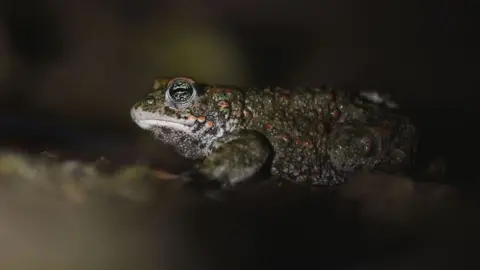
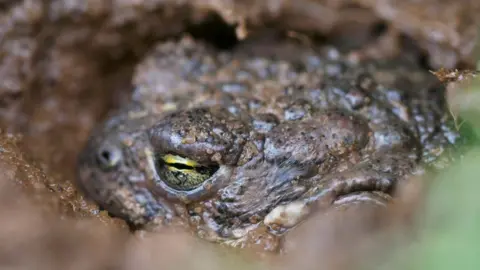
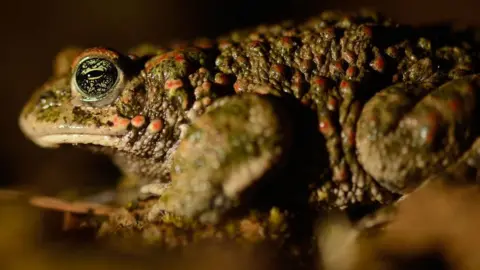
Natterjacks live in coastal sand dunes, coastal grazing marshes and sandy heaths.
About 70% of the toads' colonies were lost in the last century through habitat destruction, the RSPB said.
Conservationists were not optimistic for this breeding season as a cold April and dry May meant some ponds dried out completely.
 Jodie Randall
 Ben Andrew
 Ben Andrew
However, a recent count of toadlets and tadpoles was "evidence the natterjacks were able to move quickly to spawn", they said.
The numbers were "unprecedented" in her three years at the reserve, Ms Bruce said.
When babies emerge they are just the size of a thumbnail but "the ground around the pools was literally moving there were so many toadlets", she said.
Despite the poor conditions, the charity believes the five-fold increase in toad numbers might because aquatic predators like dragonfly larvae that would normally eat the natterjack tadpoles were unable to survive when the pools dried up.
When they refilled and the natterjack returned to spawn, there were no predators left.
Natterjacks were introduced into the Lodge reserve in 1980s from a Wildlife Trust reserve in west Norfolk.
 Ben Andrew