It has been 35 years since thousands of people in Bhopal were killed by a gas leak at a Union Carbide chemicals plant that released tonnes of poisonous gases over the Indian city.
At least 3,000 people are thought to have died in the first 24 hours - and thousands more from the after-effects, making it the world's worst industrial disaster.
Thousands more people went on to develop fatal lung diseases and others have been left with lifelong disabilities.
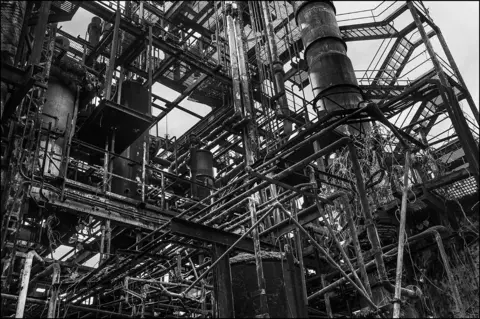
Photographer Judah Passow has been photographing those who live in the shadow of the rusting remains of the chemical plant.
Judah Passow
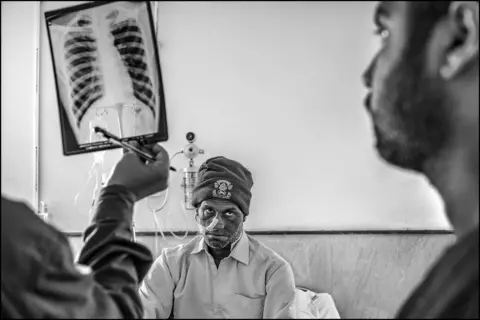
A patient has an X-ray at the Shakir Ali Khan hospital to monitor his respiratory problems. As a young boy, he was exposed to the toxic gas cloud caused by the explosion.
Judah Passow
Campaigners say nearly 20,000 people have died from the effects of the leak. Many others still bear the scars.
Judah Passow
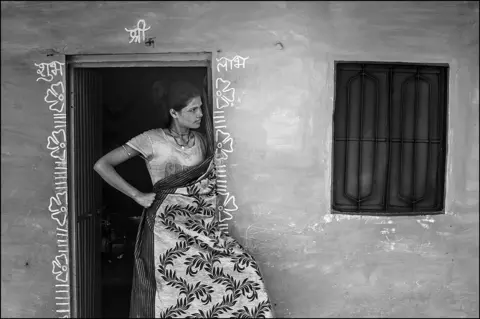
A resident of the Blue Moon neighbourhood, just outside the wall of the abandoned chemical plant. In 1984 more than 550,000 people lived in the area affected, about two-thirds of the population of Bhopal.
Judah Passow
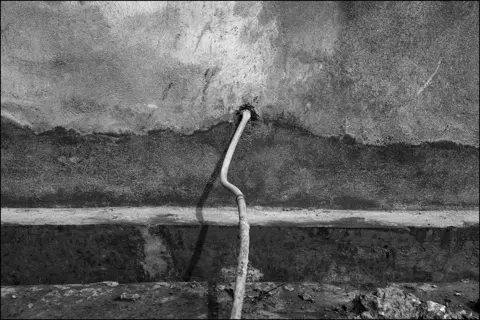
Fresh water is supplied through hoses as scientists and campaigners believe some of the chemicals continue to leak into the soil and ground water.
Judah Passow
Victims say children are still being born with disabilities because of the effects of the spill.
Judah Passow
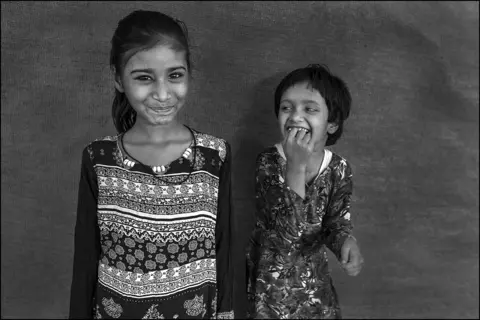
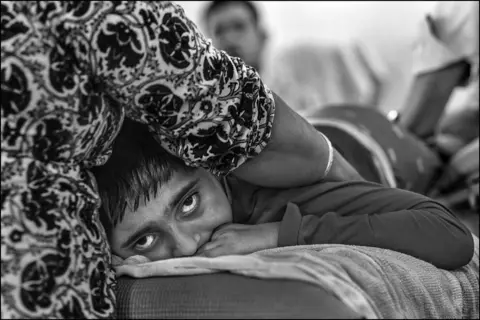
Prachi Chug has cerebral palsy and mental-development problems. Her mother was exposed to the toxic gas cloud on the night of the explosion.
Judah Passow
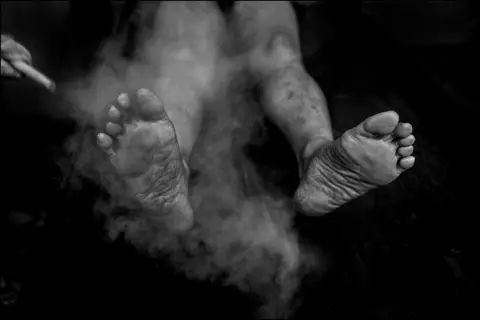
Steam therapy at the Sambhavna Trust clinic, in Bhopal, which treats victims, using traditional Indian Ayurvedic medicine.
Judah Passow
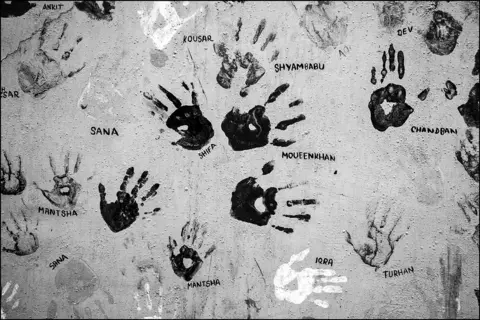
Handprints of children treated at the Chingari Trust physical-therapy clinic, in Bhopal, for acute medical conditions.
Judah Passow
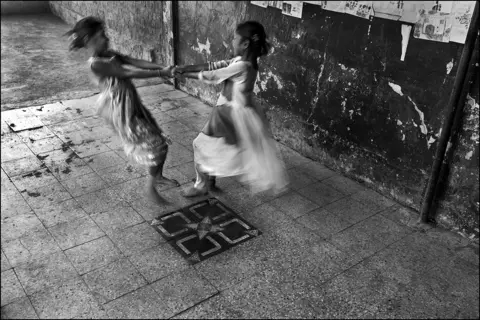
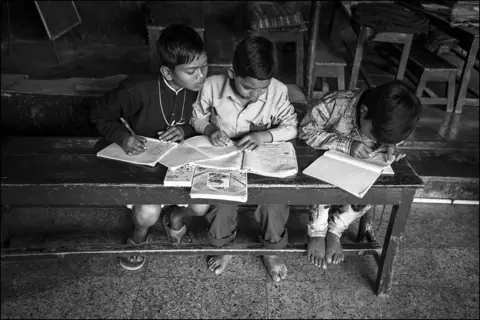
Pupils play at the Oriya neighbourhood primary school, in Bhopal, which was founded with funds from the Dominique Lapierre foundation, which also supports the Sambhavna clinic with profits from the book Five Past Midnight in Bhopal by Lapierre and Javier Moro.
Judah Passow
The school's future is uncertain, however.
Judah Passow
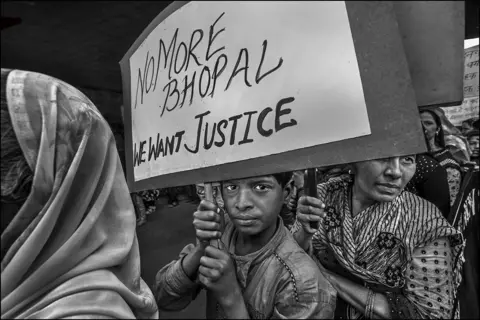
Compensation paid to the victims was accepted as a fair settlement by the Supreme Court of India in 1989 - but many feel further compensation and a clean-up of the area is required. Last year, demonstrators marched through the streets of Bhopal to mark the 34th anniversary of the disaster.

 Judah Passow
 Judah Passow
 Judah Passow
 Judah Passow
 Judah Passow
 Judah Passow
 Judah Passow
 Judah Passow
 Judah Passow
 Judah Passow
 Judah Passow
 Judah Passow