Assisted dying: What do people in Jersey think?

 Getty Images
From its history as a holiday hotspot to its status as an international finance centre, Jersey is perhaps not best known as a place which leads where others follow.
But after politicians on Thursday approved a law which will allow terminally ill adults the right to choose to end their own lives, the island has stepped ahead of the UK on one of the most morally complex issues of our time.
Jersey's decision to allow assisted dying has stirred powerful emotions across the island.
In the shadow of Mont Orgueil Castle, which has overlooked Jersey's east coast for most of the 800 years it has made its own laws, the BBC asked people to assess the landmark decision.
Tina Burt said her mother would have liked the choice of an assisted death, after suffering "immense pain" in her final days.

"That would have meant the world, just to let her go without all the suffering," Tina said, while making sandcastles with her grandchild on Gorey beach.
"She was bedridden in the end. She couldn't move, she couldn't talk, she couldn't do anything.
"For two weeks we watched her suffer, so that would have meant everything for us as a family - that we could have just let her go peacefully."
How islanders are reacting
Another beachgoer, Elise, echoed Tina's thoughts.
"I think it's quite important to have control over your life and your death," she said.
"Especially if you've got no quality of life."
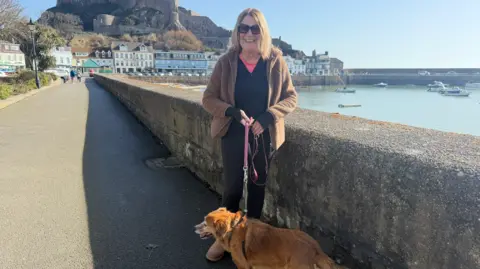
From the beach, to the boardwalk, where dog walker Angie said that she also agreed with moves to legalise assisted dying.
"When I look at what my own parents went through, both had cancer, yes, we would have signed up for that," she said.
"But I do know that there's got to be a lot of scrutiny and laws behind it, because there is the fear of people being coerced into that sort of thing."
Not all are in favour
John Stewart-Jones, chair of The Jersey Dying Well Group, added: "We are disappointed; our stance remains firm in that we oppose all aspects of Assisted Dying.
"Furthermore, we'd like to remind the people of Jersey there are still many implications of a change to the law, not least the financial and practical ones.
"85% of specialists who are members of the Association of Palliative Medicine of Great Britain and Ireland have previously stated that they would not be involved in physician assisted suicide or euthanasia in any way."
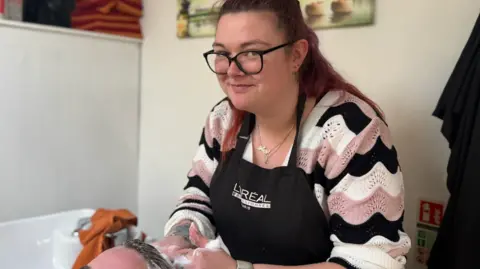
In La Petite Salon in Gorey village, hairdresser Courtney said she had not spoken to friends or family about the law changes.
She said: "I think some people would need to have that choice to end their own life if they find it's not going to get any better, say they have terminal cancer or they've got terminal ill disease."
Community perspectives: sport and social groups

The Grouville Pétanque club meets twice a week and, of the people spoken to, many were in favour of Jersey's assisted dying laws.
Leslie Norman said: "I'm totally in favour of assisted dying, always have been and if anything I don't think the legislation goes far enough.
"I believe there needs to be protections in there but I think there is a high risk of overdoing it."
"You get all the churches involved and it becomes a nightmare because they want every protection under the sun.
"I'm afraid there is a risk in life and I think that's one we should take because assisted dying is very important for the community."
Daniel Thebault said: "I think it's up to the individual. I think each circumstance is different. In many circumstances as I fully understand, there are a few where they're marginal but on the whole I support it completely."
Rod Amy said: "At the age of 12 I was taken to see a relative who was dying of lung cancer and what I saw and heard impressed me so much.
"I think the priority is to avoid a significant number of people enduring unnecessary pain to the extent that their lifestyle is totally untenable."
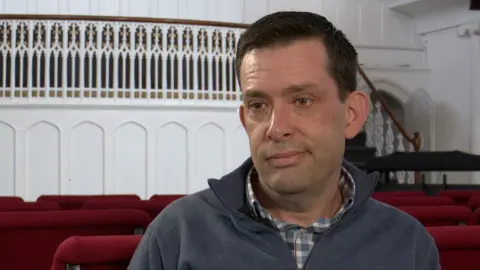
A local pastor said Jersey's government should prioritise investment in health, rather than in death.
Pastor Drew Waller of the Jersey Baptist Church said: "The government doesn't seem to have enough money or resolve to sort out the hospital, neurology or women's health or the endless bleeding deficits that seem to be in place."
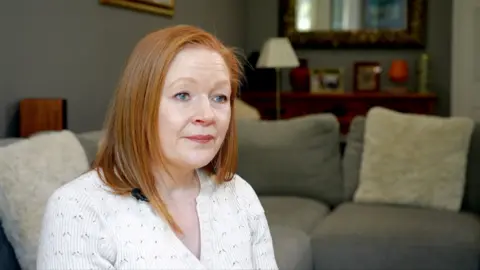
Campaigner Lorna Pirozzolo, who has incurable breast cancer, said: "I was talking to people who are at end of life and they say it's like being able to live because you're not fearing what you're last days are going to look like. So people get more life out of knowing you can have an assisted death."
Pirozzolo said she has already started save money to pay for Dignitas, an assisted suicide service for people with terminal illnesses or severe, unbearable pain.
Timeline: When assisted dying could begin
Now the legislation has been approved, it requires royal assent, which means official sign-off by the sovereign.
If granted, assisted dying could come into force in Jersey within 18 months.
Separately, the parliament in the Isle of Man - which is also part of the British Isles - passed its own assisted dying bill in March 2025.
The legislation has not yet become law, after the UK Ministry of Justice raised concerns about the safeguards in the bill.
Follow BBC Jersey on X and Facebook. Send your story ideas to channel.islands@bbc.co.uk.
