Map shines light on city's Victorian craftspeople

 Tom Jackson/BBC
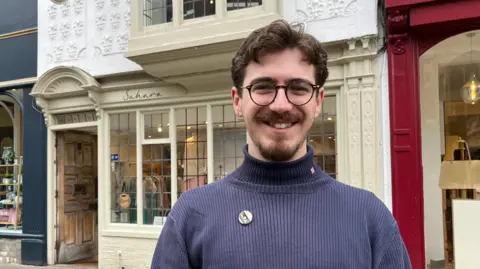
A walking map of a university city will focus on the lives and skills of the Victorian craftspeople who helped transform some of its buildings, according to a curator.
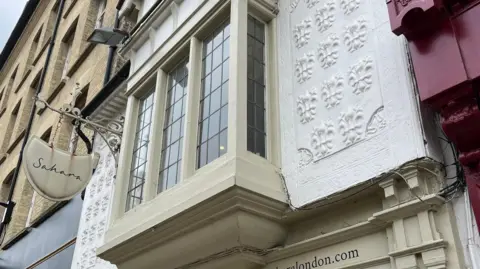
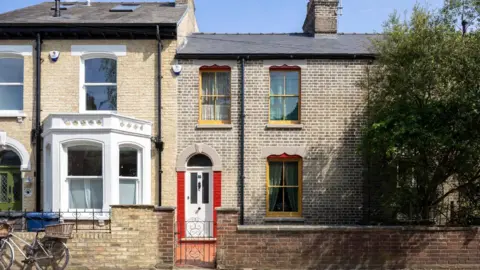
The trail has been created by David Parr House in Gwydir Street, Cambridge, the family home of an artisan decorator who worked for city firm F R Leach & Sons.
It will take walkers past the churches and colleges whose interiors were shaped by craftsmen such as Parr, as well as to the firm's Grade II* listed showroom.
"This is a way of really foregrounding their contributions to making the city, the university and actually places all over the country," said Bob Hewis.
 Tom Jackson/BBC
"The idea of the walking tour is that people may be familiar with the university buildings, but they maybe don't know the history of the people who made them and shaped them into the beautiful places they are," said Hewis, who is the visitor experience and house manager at David Parr House.
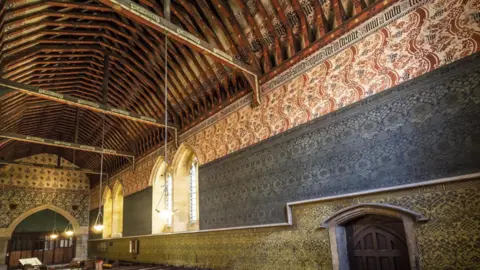
"Places like Queen's College or Jesus College are just two of the stops and, like plenty of churches throughout the city, people may well have visited but don't know the history of this decorative firm that really made them these amazing interiors."
At least seven churches feature on the trail, including All Saints' Church on Jesus Lane, St Michael's Church on Trinity Street and St Edward King and Martyr Church on St Edward's Passage.
 Adrian Powter
F R Leach & Sons was founded by Frederick Richard Leach in 1862, on City Road in Cambridge.
It worked with many of the leading architects, artists and craftsmen of the day, including George Frederick Bodley, William Morris and Charles Eamer Kempe.
As well as highlighting "hidden gems" in the city, it is hoped the walking tour will raise the profile of the firm, which helped transform patterns "from the drawing board" and into buildings around the country, the museum said.
 Howard Rice/David Parr House
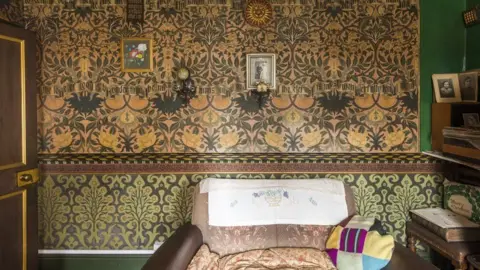
Hewis said: "David Parr (1854 to 1927) was born and raised in Cambridge, a Cambridge painter, decorator, art workman, and he worked his whole life with the Leach firm, all over the country on projects like St. James's Palace [London]."
Parr specialised in hand-painted interiors and transformed his now-Grade II* listed workers' terraced house from the 1880s onwards with lavishly-decorated interiors, more typically seen in stately homes or churches.
 Matthew Smith
Hewis said he hoped the self-guided trail would offer people a new way of looking at a city they thought they already knew.
"What's so incredible is all of this work is so hidden in plain sight; some of it is so vibrant and bright that it can't help but catch your eye," he added.
"But there's very little known about the people who made it and so we hope that this will give people a way of walking in those people's footsteps and of seeing the city in a new way."
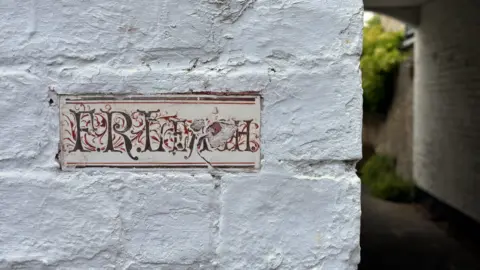
The map is available from David Parr's House, where the trail starts, or can be downloaded from its website.
It has been created as part of a year-long programme of exhibitions and talks on the theme maps, travel and journeys.
 David Parr House
Follow Cambridgeshire news on BBC Sounds, Facebook, Instagram and X.
