Hospices warn of cuts after 'difficult' 2025

 BBC
BBCSome hospices in the West are warning they will have to reduce their services, if the government-agreed funding they receive from the NHS does not increase.
Hospices have differing funding arrangements, but many receive around a third of their money from the NHS and the rest through donations.
Jessie May Hospice in Bristol, which provides palliative care for children at home, told the BBC its costs had risen 17% in 2025, with donations and statutory funding failing to match this.
The government announced what it called "the biggest investment in hospices in a generation - £100 million - to improve hospice facilities" in 2024, and said it is working on a new hospice funding model.
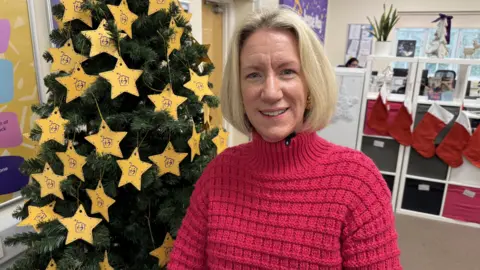
"It's things like national insurance contributions, wage rises that are happening, all of those things contribute to rising costs for us - and utilities," explained Tiggy McCool, chair of the board at Jessie May Hospice.
"Those are all increasing, but our statutory funding isn't increasing."
The charity warned it would not be able to meet the demand it currently faces within a few years if funding didn't increase.
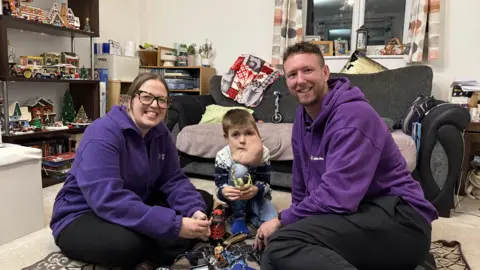
One of the families that benefits from the home nursing care provided by Jessie May said their lives would change if the service was no longer offered to them.
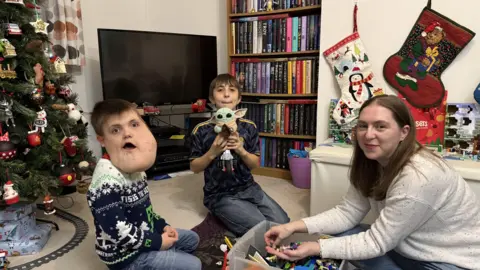
Emily from Midsomer Norton in Somerset, is supported by nurses to look after her eight-year-old son, Alex, who was born with a cystic hygroma — a cluster of fluid-filled sacs restricting his breathing — and relies on a throat tube, called a tracheostomy.
The tracheostomy can sometimes block, stopping Alex from breathing effectively, so he requires constant monitoring.
"If they didn't come, I wouldn't be able to spend time with [my other son] Roman and, you know, catch up with him," said Emily.
"Also Alex wouldn't be able to experience some things - the nurses take him to the park and do all sorts of things with him."
She added: "It's so important for families."
Other hospices in the West have also reported feeling the pinch in 2025.
Julian House, in Bath, closed its bike workshop at the end of the year because of rising operating costs no longer making it feasible.
St Peter's Hospice in Bristol, which has an in-patient ward, said it was not at the point of closing beds yet, but its margins were shrinking fast.
"We incurred some extra costs, which came from the increase in national minimum wage and national insurance costs we've had to pick up," said the charity's director of clinical services & family support, Juliette Hughes.
"That's come to a significant amount for us as an organisation, which means we're now even more reliant on the funding and generosity of the people around us."
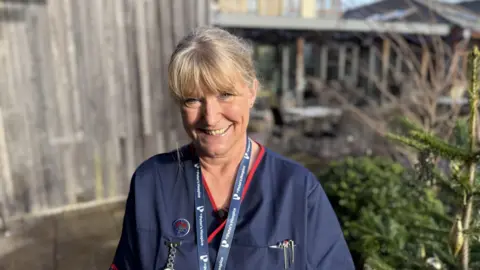
Hospice UK, the charity that looks out for the interests of palliative care providers, said although a new deal with government was expected, it needed to come quickly.
"We really are at a cliff edge," said the charity's Head of Policy & Public Affairs, Katie Reade.
"The support that the government has provided in response to this emergency is running out."
The government is expected to publish a framework for palliative care and end of life care this year, with the input of hospices.
The Department of Health & Social Care said this would result in "ending the postcode lottery and ensuring every patient and family receives the quality care and support they deserve".
Follow BBC Bristol on Facebook, X and Instagram. Send your story ideas to us on email or via WhatsApp on 0800 313 4630.
