Women experience harassment and rape in Scottish folk scene, says report

 BBC
BBCFemale musicians have experienced harassment and sexual violence - including rape - while working in the Scottish folk music scene, according to research by the University of Glasgow.
The survey of 409 women - most of them musicians, teachers or students - found 81% had suffered some form of abuse.
Researchers said incidents had included sexual comments, stalking and assaults, with the majority of the perpetrators being fellow musicians.
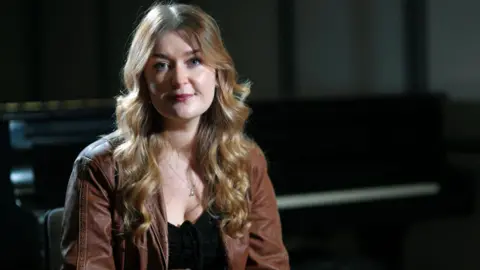
Lewis-born musician Josie Duncan said she loved being part of the traditional music scene, but added that she had turned down opportunities in the past because the person she would have worked with was "unsafe".
Researchers based at Glasgow's Scottish Centre for Crime and Justice Research carried out the study.
It said 75% of those surveyed had experienced sexual questions or remarks, and 51% had been the target of unsolicited sexual advances.
The research said 17% reported having been sexually assaulted or raped.
Glasgow University said the folk scene was male-dominated and some of the incidents had allegedly involved prominent musicians.
'Findings not a surprise'
Josie Duncan has been a musician since a young age and has been working in Glasgow for 10 years.
"I love being part of the traditional music scene. You can walk into any session and see your pals," she told BBC Naidheachdan.
However, she said the report's findings had not come as a surprise to her.
Duncan said: "I've had times where I've had to turn down work, sometimes really pivotal opportunities.
"I've had to turn them down because I was choosing not to work with someone I knew to be unsafe."
Duncan said she was lucky to always be safe among those she worked with regularly, adding: "But that should be normal not the exception."
She said she was hopeful for the traditional music scene and welcomed the report.
'Harrassment is a workplace issue'
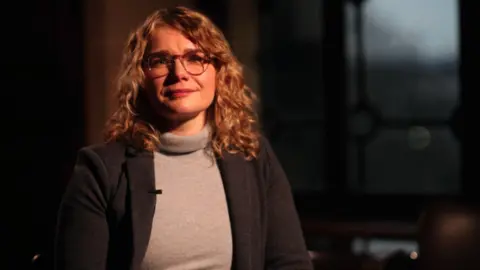
Dr Kelly Johnson, who led the project team, said: "The Scottish folk scene is not alone in facing the challenges of sexual violence and harassment – it is an issue across the music industry and society more broadly.
"However, the findings speak to an urgent need to recognise the experiences of victim-survivors and address sexual violence and harassment as a workplace issue that affects the Scottish folk scene."
She said in some cases the attacks were not isolated and 78% of the women reported multiple experiences of harassment and abuse.
Researchers said most of the experiences of sexual violence and harassment reported in the survey took place in social settings related to the folk scene, such as music sessions or when socialising after a performance.
Prof Michele Burman, a co-author of the report, said: "The Scottish folk music scene is small and primarily male-dominated, and participants felt many forms of sexual violence and harassment were normalised – rarely being formally acknowledged or met with meaningful consequences.
"Unfortunately, as a result, some women left the scene entirely because they felt unsafe or unsupported. This is a sad state of affairs, resulting in a real loss of female talent."
Dr Amy Cullen, who co-authored the report, said the music industry needed to take "more meaningful action" to protect women.
She said the report made a number of recommendations, including codes of conduct and working agreements.
She added: "The industry could also better support victim-survivors by ensuring there's a designated safeguarding person on site such as at festivals or in educational settings.
"We would also recommend creating time and space for discussions around gender equality, conduct and respect within the community."
The survey findings are to be discussed at an industry event later, as part of Glasgow's Celtic Connections music festival.
The Musicians' Union has welcomed the report and said it had gathered the biggest amount of evidence of the issue.
Dr Diljeet Bhachu, equality, diversity and inclusion officer, said she was struck by how many women had experienced a "pattern" of incidents.
She told BBC Radio Scotland's Lunchtime Live programme: "It's remarkably hard to tackle the issue in what is largely a freelance sector.
"The folk music scene is made up of lots of independent organisations, festivals, venues and promoters."
She said the report would help bring about changes that supported musicians.
