Plans to excavate 'world's oldest train platform'

 Friends of the S&DR
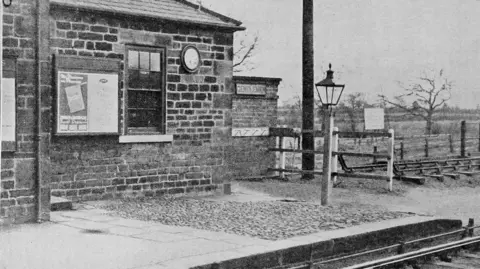
Plans are being drawn up to excavate what is believed to be the world's oldest railway station platform.
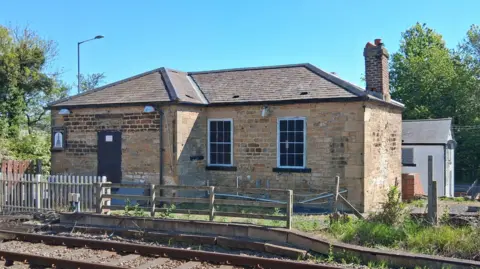
Last year Heighington Station, which dates to back to 1827 and was part of the first passenger railway to use steam trains in the world, was bought by the charity Friends of the Stockton and Darlington Railway.
The group's chair Niall Hammond said the excavation of a small platform located near the site was planned.
He said it was presumed it was the "original for the building" because it looked the right size and shape.
He said plans were still in the early stages, but that the group hoped to attract lots of volunteers to the dig over the summer.
Hammond said the platform, which is next to the station, was "tiny" and had cobbles.
He said ideally the team would find a "Georgian penny" at the bottom of the platform during the dig which would confirm its age.
 Friends of the S&DR
The charity has owned the building since September after buying it for £285,000 following a fundraising drive.
Hammond said it hoped to make the site accessible to the public.
"We want to refurbish it so that it feels like it's 1827 again," he said.
"Staff will be in appropriate clothes and costumes - it'll be candle lit and the decor will be 1827."
He estimated that restoration work would cost £3m and that most of the year would be spent filling out grant applications.
