New police car cameras help tackle rural crime

 Cambridgeshire Police
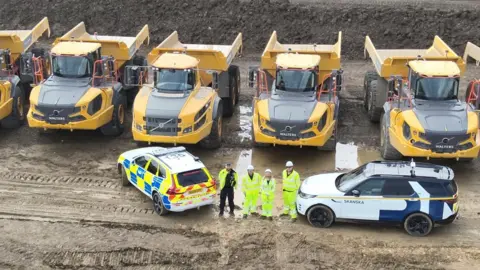
New camera systems on police cars could help officers tackle rural crime, a force said.
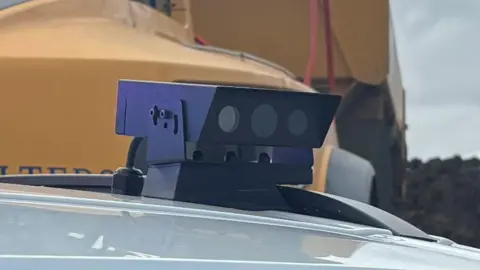
Four automatic number plate recognition (ANPR) cameras have been installed on Cambridgeshire Police cars to help identify vehicles linked to criminal activity.
Two of the ANPR systems have already helped officers arrest a wanted person, locate a cloned van and identify a missing person's vehicle.
Sgt Tom Nuttall, from Cambridgeshire Police, said the cameras made a "real difference" in identifying vehicles linked to criminal activity in rural areas across Cambridgeshire and Peterborough.
 Cambridgeshire Police
Sgt Nuttall, who leads the rural crime action team, said: "Farms and rural businesses are often in isolated locations, and of course, criminals need vehicles to travel.
"These new ANPR systems will make a real difference in allowing us to identify vehicles of interest, pursue criminals, and hopefully prevent future crime."
The new cameras were installed after the force received £47,000 from the National Highways Social Value Fund.
Lee Galloway, the National Highways project director, said it was great to see the funding "already making a real difference".
"Our work isn't just about building roads and improving junctions - it's also about leaving a positive and lasting legacy for the people who live and work in the area," he said.
Follow Cambridgeshire news on BBC Sounds, Facebook, Instagram and X.
