Motion to halt glass centre closure backed

 BBC
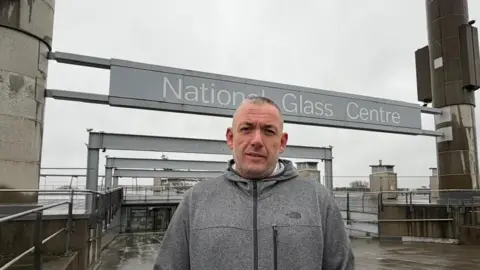
BBCCouncillors have backed a motion opposing the closure of the National Glass Centre (NGC).
The Sunderland venue is due to shut in July because of required repairs which have been costed at between £14m and £45m, but the local authority has called the plan "flawed" and argued costs were "presented in a way to deceive the council and its residents".
The NGC's custodian, the University of Sunderland, said its position on the centre's future remained unchanged and denied claims it had deceived the public.
Save the National Glass Centre campaign group said passing the motion, which also calls on the university to consider other options for the site, was "a hugely important moment" for the city.
"There are real, viable alternatives, and we now have the opportunity to explore them," chair Carolyn Basing said.
"We now expect the council to act quickly and communicate effectively with campaigners and the public to secure the future of the centre."

A university spokesperson said that "despite open and transparent conversations" with individuals and organisations, including the council, no "feasible plan" had emerged to fund capital works or the £800,000 annual subsidy currently provided by the university.
"It is important to note that while acknowledging the meeting's outcome, the university strongly objects to the highly offensive use of the word 'deceived' within the council's motion," they added.
"At no stage has the university misled the council or the public; all financial information, freedom of information requests and cost estimates have been consistently and honestly shared."
'Too late'
The motion, which was put forward by Silksworth Labour councillor Phil Tye, was passed unanimously on Wednesday.
It calls on the university to work with the local authority and its partners to lobby for short-term funding for initial capital works while an independent review into the future viability of the NGC takes place.
However, opposition councillors criticised Labour for the time it took them to come to this position, the Local Democracy Reporting Service said.
Liberal Democrat Councillor Heather Fagan said: "It's difficult not to see it as an attempt to regain public favour and it may well be too late."
Conservative group leader Councillor Antony Mullen added: "Had Labour been on board more quickly we'd have had more time to work out a plan for the long-term survival of the NGC."
Tye said they initially "believed the information" put forward by the university before being introduced to the save the NGC campaign group through Councillor Denny Wilson.
"I'll look every single campaigner in the eye and say from the bottom of my heart 'I'm sorry that we didn't do it quicker', but I'd prefer to do it now than not at all," Tye said.
The campaign group to save the NGC said there were "chaotic scenes" when members of the public were "denied the opportunity" to sit in the council chamber and listen to the debate.
Sunderland City Council has been contacted for a comment.
Additional reporting by the Local Democracy Reporting Service.
