NHS Grampian confirms first case of measles since 2014

 Getty Images
NHS Grampian is urging people to get vaccinated against measles after its first confirmed case of the illness in more than a decade.
Measles is a highly contagious disease which is spread by coughs and sneezes.
The virus can lead to pneumonia, brain swelling and death.
The last case in the Grampian area was in 2014, and the health board said all adults and children should ensure they are vaccinated.
There were 28 cases of the illness in Scotland last year - four more than in 2024.
There have been four so far this year.
Vaccination against measles is part of the routine childhood immunisation programme.
NHS Grampian said cases have been steadily increasing globally due in part to a decreasing uptake in vaccination.
Chris Littlejohn, deputy director of public health, said he could not go into specific details, other than confirm a case of measles was being investigated.

He said: "Contact tracing has been carried out and advice provided to all identified contacts.
"Measles is a serious illness and can be fatal. I would strongly encourage parents/carers to ensure their child receives all vaccinations they are eligible for.
"However, I'm not only speaking to parents and carers.
"We know there are adults who, for whatever reason, were not immunised as children. They are at just as much risk of illness. It's not too late to get vaccinated."
What are measles symptoms?
Measles is a highly contagious disease that is spread through coughs and sneezes and contaminated surfaces.
Common symptoms include:
- High fever
- Sore, red and watery eyes
- Coughing
- Sneezing
- Small white spots appearing inside the mouth
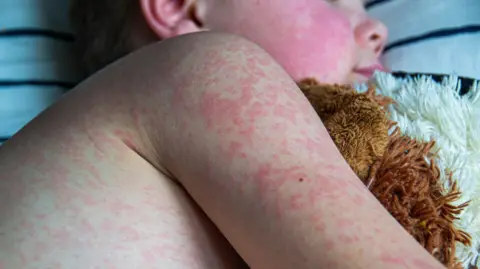
A blotchy red or brown rash usually appears after a few days, typically behind the ears and on the face, before spreading.
