Babies to be offered genetic screening at birth

 Getty Images
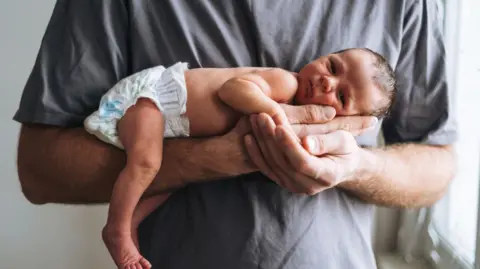
Newborn babies in Hull will be able to be screened for more than 200 rare genetic conditions as part of a national study to identify disorders earlier.
The Generation Study offers genomic sequencing using a small blood sample, usually taken from the umbilical cord shortly after birth.
The aim is to identify conditions such as spinal muscular atrophy and metachromatic leukodystrophy (MLD) in babies sooner.
The study aims to screen 100,000 participants.
 NHS Humber Health Partnership
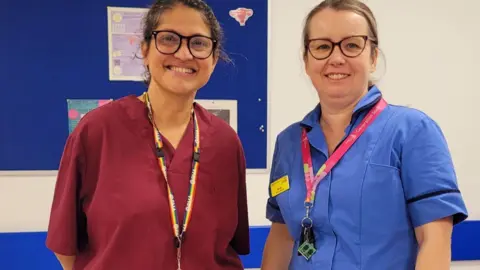
A team based at Hull Royal Infirmary, led by Dr Uma Rajesh, will join others from more than 40 other NHS trusts around the country.
She said the study offered local people the opportunity to access potentially life-changing information about their baby's health at a very early stage.
"We know that babies' health is one of the top priorities for new and expectant parents, so parents-to-be will now be made aware of the study during pregnancy and, if interested, will be offered a follow-up discussion with a research midwife for more details.
"Participation is entirely voluntary, but the study brings the potential to help some families identify issues and begin treatment much earlier on in the baby's life," she added.
NHS Humber Health Partnership, which covers Hull, East Yorkshire and northern Lincolnshire, said screening babies' entire genomes – all of their DNA – could detect hundreds more rare, treatable diseases in their first years of life.
For more information visit the Generation Study website.
Listen to highlights from Hull and East YorkshireorLincolnshireon BBC Sounds, watch thelatest episode of Look Northor tell us about a story you think we should be covering here.
Download the BBC News app from the App Storefor iPhone and iPad orGoogle Play for Android devices