New pesticides policy 'downplays the health risks'

 Martin Heath/BBC
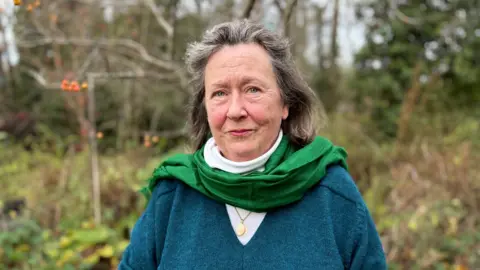
A campaigner says a council's draft new policy on the use of pesticides does not go far enough.
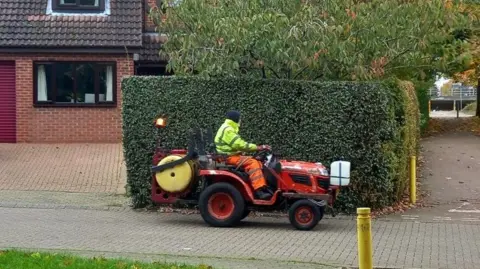
Milton Keynes City Council's policy includes reducing the use of herbicides near shops and only spraying play areas during school terms.
But Judith Heinemann from the Pesticide Free Milton Keynes Action Group said while that represented a "huge step forward", it downplayed the health risks of pesticides.
Milton Keynes City Council said its policy aimed to minimise and regulate the use of substances that had potential to impact the wider environment.
Ms Heinemann said that, despite evidence of a link between cancer and herbicides containing the chemical glyphosate, the policy contains "hardly any mention of that at all".
She was also concerned about the omission of schools from the policy.
Her petition to stop the use of pesticides altogether in the city has 26,250 signatures, but she hopes that the council will work with her group to improve the policy.
"These risks are well known and they should be included," she said.
 Martin Heath/BBC
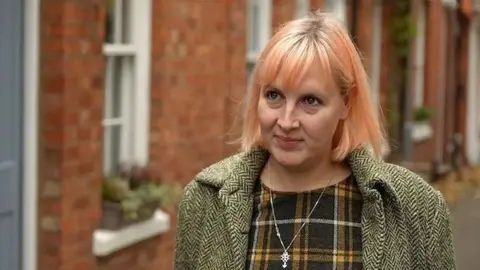
Jennifer Wilson-Marklew, the council's cabinet member for public realm, said: "The policy does talk very loosely about what the science shows.
"However, it's not a scientific paper, it's a policy which will then inform what we do across the city."
She added: "We will share the policy with schools. However, most schools manage their own weed management."
 Sam Read/BBC
 Judith Heinemann
Ms Heinemann and her late husband spent a lot of time enjoying nature around Milton Keynes.
And she believes traces of pesticides in the outdoor environment of the city may have contributed to her husband's death and her own battle with cancer.
"I can't say that the causal link [with pesticides] can be proven definitively but the evidence on this chemical toxic cocktail that we're faced with on a daily basis in our environment is that it has to stop."
Follow Beds, Herts and Bucks news on BBC Sounds, Facebook, Instagram and X.
