New land added to Highland reserve famous for its ospreys

 Getty Images
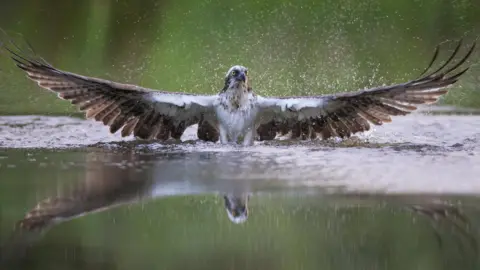
A Highland nature reserve famed as a home for ospreys has been expanded - 50 years after the protected area was created.
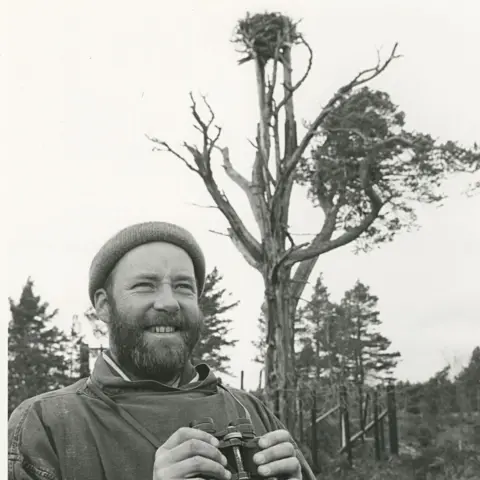
In 1954, Loch Garten, north of Aviemore, had the first confirmed pair of breeding ospreys since the species went extinct in the UK in 1916 due to habitat loss and persecution.
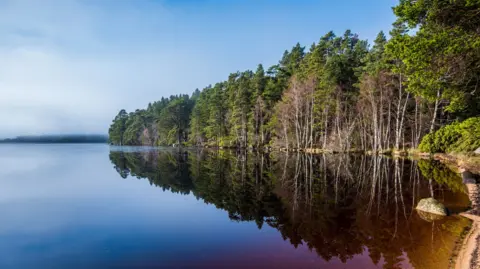
RSPB Scotland bought the loch and surrounding woodland at Abernethy in 1975.
Over the years, the site has grown to 34,595 acres (14,000ha) and this month the charity purchased 82 acres (33ha) of land near the village of Nethy Bridge, which borders the reserve.
 RSPB Scotland
RSPB Scotland said the new land would allow it to expand its use of cattle to help manage ancient Caledonian woodland.
The animals' grazing breaks down overgrown areas of vegetation and encourages growth of blaeberries, a favourite food of another bird - rare capercaillie.
The charity's Ben Oliver-Jones said: "Cattle in the forest replicate the grazing behaviour of extinct herbivores such as aurochs and improve conditions for birds such as capercaillie and black grouse."
 Getty Images
Ospreys are migratory birds and some fly more than 3,000 miles (4,828km) from west Africa to breed in Scotland.
The birds of prey hunt rivers and lochs for fish.
As many as 400 breeding pairs now return to the UK annually.
Loch Garten was recolonised naturally in 1954 by birds that had previously flown to Scandinavia.
In more recent times, among the reserve's best-known visitors was a female nicknamed EJ.
She first arrived in 2003 and over 15 seasons was the site's most successful breeding female.
EJ is believed to have died of old age after failing to return to the loch in 2019 at the grand age of 21.
