Pupils see the Irish famine story that's 'more relevant than ever'

 BBC
BBCA famine in which millions died or emigrated might seem a touch heavy for a children's book.
But Under the Hawthorn Tree has captured generations of hearts and is now the subject of a new museum exhibition.
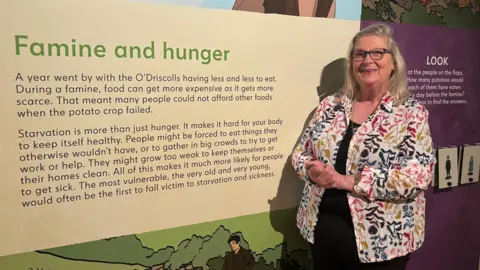
The story of Eily, Michael and Peggy fending for themselves in the Irish famine of the mid 19th Century will be brought to life in an interactive display.
Author Marita Conlon-McKenna says world events mean the story is more relevant than ever.
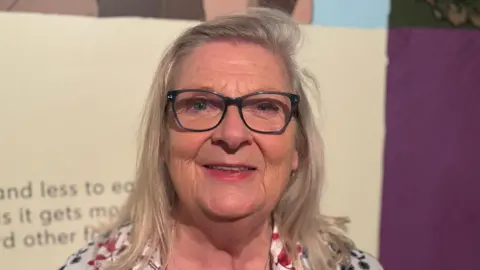
"It has echoes with famine, displacement, with things are happening in people's lives," she said.
"So I can understand how it just has this appeal and draws people in."
Conlon-McKenna said she was "blown away" by the exhibition at the Ulster American Folk Park in County Tyrone.
Her classic is on school curriculums around the world.
"It's everywhere," Conlon-McKenna said.
"It's in nearly every language in the world and children in schools all over the world and everywhere are reading it on the curriculum in Mexico and parts of America.
"I go all over the world meeting children and going to schools and to colleges and universities.
"And it's amazing that this small story of these children in Ireland has a global reach."
Seeing the exhibition based on her work was "so special" for the writer from Dublin.
"It's way surpassed my expectations I mean the design and the elements are just everything. The book is here in the exhibition it's fantastic."
This is the first new exhibit at the Ulster American Folk museum in four years.
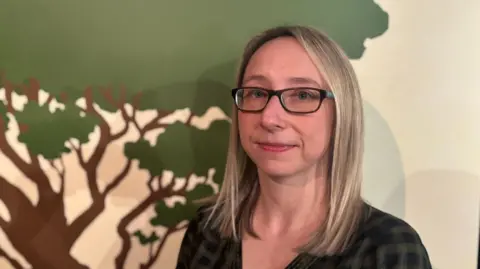
Victoria Miller, senior curator of history, said she hoped it would appeal to new visitors as well as regulars who "want to have a different experience when they come here".
"The past is a really useful marker for us today both in terms of our current lives but also planning for the future," she added.
"And there's always something to be learnt from the past to help inform how we live our lives today."
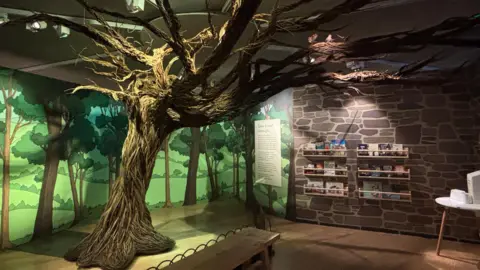
At the heart of the exhibition is a large scale sculpture of a hawthorn tree crafted by the museum's willow weaver Bob Johnston.
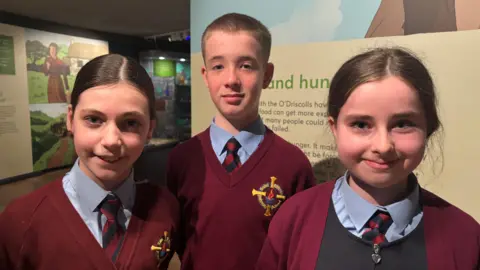
The first school group to visit the new exhibition were P7 pupils from St Eithne's School in Derry who finished reading the book just before visiting.
Macey, 11, said when she read the book she "felt like she was in it".
Liam, 11 said he really liked the book and his favourite part of the museum was the "speeches and smellings" that brought the story to life.
Abigail, 11 says the book was "a real cliff-hanger" and was delighted to speak to Marita Conlon-McKenna.
"My favourite thing was getting to ask the author questions and really getting to know what she did to make the book."
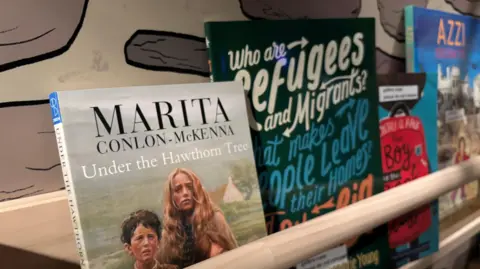
And for Conlon-McKenna, seeing the children experience the book in a new way was thrilling.
"Watching the children going around has blown me away because the children just love it," she said.
"How it's been brought to life it makes my characters walk off the page and walk into the exhibition it's just incredible. How this small, lucky book just changed my life."