Why is sewage spilling into homes and gardens?

 BBC
BBCSewage spilling into streets, seeping into gardens and backing up into homes has become a familiar problem across the South.
While each incident has its own trigger, water companies say most sewer flooding is caused by a small number of factors, including blocked pipes, ageing infrastructure and drainage systems overwhelmed by heavy rain.
Recent cases across Oxfordshire, Berkshire, Hampshire and Dorset show how disruptive and distressing these failures can be for communities.
When heavy rain overwhelms sewers

Periods of prolonged and intense rainfall across parts of southern England have this year seen river levels rise and put drainage systems under pressure.
In many areas, the same underground pipes carry both household wastewater and rainwater from roads, roofs and drains.
Water companies say that when heavy or sustained rain fills these systems beyond capacity, sewage can be forced back up through manholes, drains or household pipework - a process described as "hydraulic overload".
Further strain can be caused by groundwater seeping into pipes through cracks or inspection chambers during wet weather.
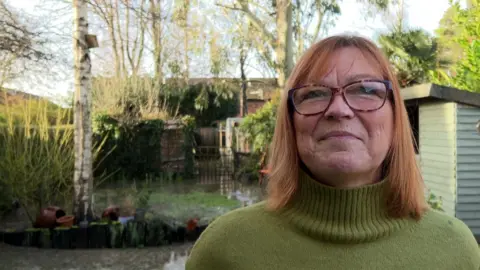
In Stanford Dingley, in Berkshire, raw sewage emerged from manholes and flowed into gardens during a period of particularly heavy rainfall.
Homeowner James Devine said: "We get lots of sewage, lots of toilet paper and other bits and pieces coming into our garden."
In Wimborne Minster, in Dorset, Susannah Gill described waking to find her garden underwater after severe weather in January.
She said it was "amazing" to find what people put in their sewers - including wipes and earbuds - and called the scene "pretty revolting".
Blockages beneath the streets
According to water companies, one of the most common triggers of sewer flooding is blockages forming inside pipes beneath homes and streets.
Materials such as wet wipes, sanitary products, fats and oils do not break down easily and can build up inside pipes, restricting the flow of wastewater.
In some cases, this causes the sewage to back up into nearby properties or public spaces.
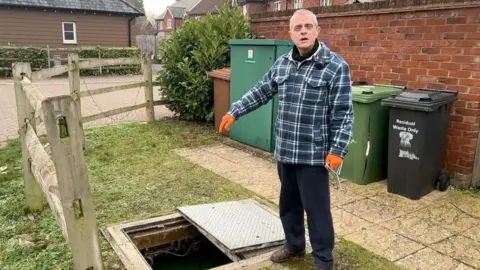
Earlier this month, residents in East Hanney, Oxfordshire, were left scared to flush their toilets after sewage entered homes during a period of prolonged rainfall.
Thames Water said the immediate problem was caused by a blocked pipe in the private system, although residents argued that flooding occurred whenever the wider public sewer became overwhelmed by rainwater.
Ageing pipes and fragile infrastructure
Some sewer flooding is linked to the underlying condition of the network itself.
The industry says ageing pipes can crack, collapse or allow groundwater to seep inside, as older networks were not designed for modern housing numbers or changing weather patterns.
When faults occur deep underground or in difficult conditions, repairs can take months and require continuous pumping to prevent sewage backing up.
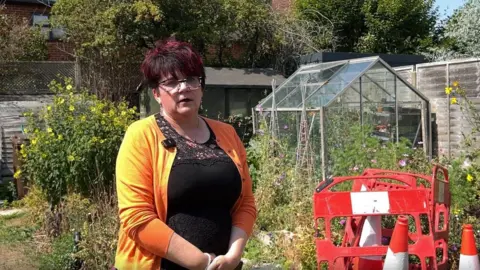
In Pamber Heath, Hampshire, sewage has been pumped from outside one home for months while engineers attempt to fix a damaged sewer.
Homeowner Melissa Stroud said the smell meant she was unable to open her windows and described constant disruption from tankers operating day and night.
Thames Water said the prolonged repair work was due to the challenging geology of the area and the depth of the sewer.
Capacity limits in the wider sewer network can also create longer-term pressures.
In West Oxfordshire, nearly 2,000 planned homes face delays because sewage treatment works require upgrades before the developments can be occupied.
How water companies respond

When sewer systems are damaged, blocked or overwhelmed, water companies may introduce temporary measures to prevent sewage backing up into homes and streets.
These responses can include using tanker lorries to remove wastewater, installing portable pumps or diverting excess flows away from the network while repairs or longer-term solutions are arranged.
In Cerne Abbas, Dorset, water from sewers was pumped into a nearby stream during a period of exceptionally high groundwater.
Resident Robin Mills said: "I feel that this business of depositing raw sewage in watercourses has become the new norm."
Parish councillor and flood warden Helen Brown described recurring incidents including "poo fountains shooting up in the street and in people's houses".
Wessex Water said the pumping was permitted by the Environment Agency when groundwater levels are unusually high.
What are the longer-term plans?
 Getty Images
Water companies and regulators say reducing sewer flooding is likely to depend on long-term investment, tighter oversight and changes in how wastewater systems cope with growing demand.
Southern Water says it plans to invest about £8.8bn by 2030, while Wessex Water is proposing about £3.65bn of improvements before 2030.
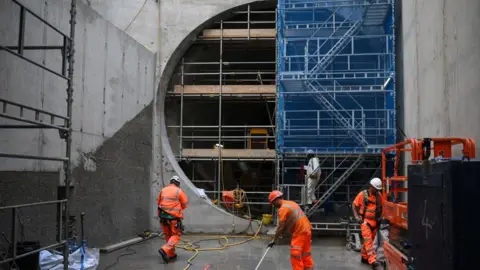
Thames Water says it is spending about £9.5bn on what it describes as the biggest upgrade to its sewage network in 150 years.
Regulators have increased scrutiny of pollution incidents and storm overflows, with expectations that companies better protect both the environment and customers from flooding.
At the same time, water firms say everyday behaviour - such as avoiding flushing wipes, sanitary products and fats - can play a role in preventing blockages within local pipes.
You can follow BBC Hampshire & Isle of Wight on Facebook, X (Twitter), or Instagram.
