'A long time coming' - £1.49m plan to transform Glasgow's riverside

 National Lottery Heritage Fund
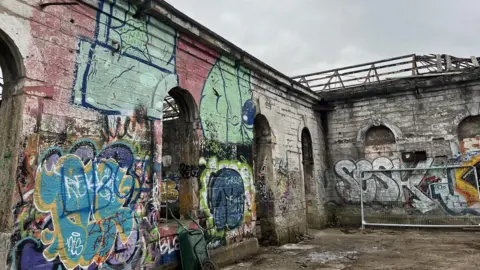
A Category-A listed part of Glasgow's shipbuilding heritage could be open to the public for the first time in decades as part of a plan to reshape the Clyde waterfront.
The Pump House, the last surviving building at the Govan Graving Docks, has lain dormant since the late 1980s.
Now new plans will see the derelict docks form the heart of a riverside destination, including a park, housing and potential areas for restaurants and events.
The revamp comes through the Govan Heritage: Remarkable Past, Remarkable Future project, which has received a £1.49m grant from the National Lottery Heritage Fund.
Deirdre Gaughan, chairwoman of Central Govan Action Plan, told BBC Scotland News the move had been a "long time coming".
"We always felt that all that sort of thing happened at the other side of the water and now this is Govan's big chance," she said.
"It's going to put Govan back on the map. Even just being able to walk on the site will make a difference - it was dangerous before, but now it will be safe, and a beautiful space for people to enjoy."
Ms Gaughan added that local voices had been central to shaping the plans.
The wider regeneration proposals include repairing historic tenements and improving Elder Park and the quayside.
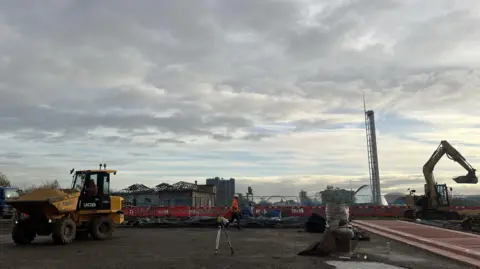
The Govan Graving Docks were built between 1869 and 1875 by the Clyde Navigation Trust, and were once among the largest dry docks in the world.
Today, they remain the last intact historic dock site on the Upper Clyde and are a category A-listed landmark on Scotland's Buildings at Risk Register.
Before the docks, the land housed Govan's first Free Church, later a theatre, music hall and even a lodging house for Russian sailors sent to crew the Peter the Great.
However, after closing in 1988 the docks have been empty and unused.
Councillor Richard Bell said the project could help towards making the River Clyde the central part of the city
"If you go to any European city, the river is the central focus of everything they're doing. We need to make more use of that, and Govan Graving Docks is one of the first stages in making that happen," she said.
 National Lottery Heritage Fund
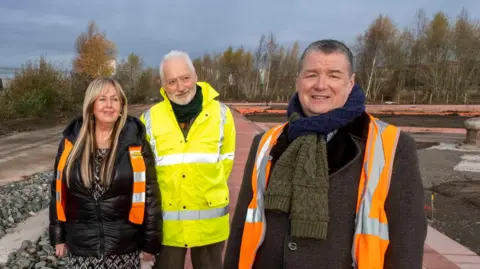
Andy Milne, Scotland's committee member for the National Lottery Heritage Fund, said Govan was chosen because it had "internationally significant industrial heritage" as well as the strength of the local community.
"What really made the difference was the community," he said. "Their campaigning, lobbying and hard work over decades gave us confidence that this investment would deliver real benefits."
He added that the project reflected a shift in the Heritage Fund's approach.
"We're moving away from investing in single castles or boats," he said. "Our focus now is inclusion, participation and making heritage a driver for economic and social regeneration."
Mr Milne believes the heritage of places like the docks can still bring people together, even if the traditional industries once there are now long gone.
"In communities that have seen coal mining, fishing or textiles disappear, heritage brings people together," he said. "It helps people think about what this place was, and more importantly, what it can be in the future."