Hope for blood test that can detect brain tumours

 PA Media
Scientists have made a "significant step" towards creating a blood test that detects brain tumours and monitors them in real time.
The new test is more than 90% accurate and could be used by GPs to pick up deadly glioblastomas. It is also being expanded to include other types of brain tumour.
The study, led by scientists at the University of Manchester and involving teams in Denmark, has pinpointed a pair of proteins in the blood help identify tumours.
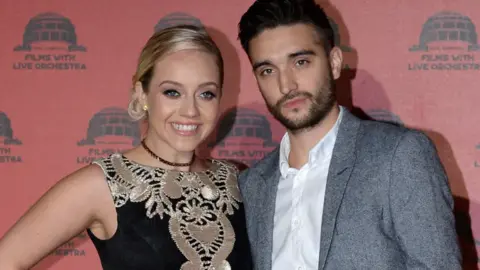
The team has launched a clinical trial running at six sites in the UK and four abroad. The Wanted singer Tom Parker was a high-profile brain cancer patient, and died in 2022 aged 33.
At present, diagnosing and treating patients can be complex, requiring MRI scans and invasive surgical biopsies.
In the study, patients with glioblastoma were used to check the validity of the blood test during surgery, radiotherapy and chemotherapy.
Prof Petra Hamerlik, who led the research and whose own father had glioblastoma, said it was "one of the most devastating cancers we face".
She added: "The idea with our work is that, if you come more than once with a headache, such as three times, and if the doctor suspects a brain tumour, they would run this test," she said.
"The risk score would indicate that you might have a malignant growth in your brain, and you should go for MRI.
"The idea is to develop a device – something like a Covid test – to start with.
"If this is confirmed, then it will be submitted to regulatory bodies and hopefully brought into the NHS within a decade."
Dr Simon Newman, chief scientific officer at the Brain Tumour Charity, said the research marked "a significant step towards a simple blood test" that could help clinicians detect glioblastoma.
Listen to the best of BBC Radio Manchester on Sounds and follow BBC Manchester on Facebook, X, and Instagram. You can also send story ideas via Whatsapp to 0808 100 2230.
