Sensors explore Aberdeen's geothermal energy potential

 PA Media
Researchers have begun installing underground sensors across Aberdeen to assess the city's geothermal energy potential.
Geothermal technology works by pumping cold water deep underground, where it is warmed by the earth before then coming back hot enough to be used to help heat buildings.
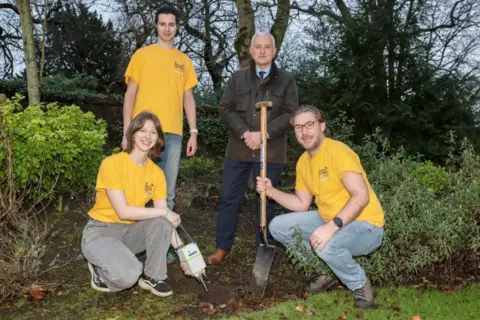
About 100 small seismic nodes are being buried in green spaces from the Bridge of Don area to Nigg, and also inland into the heart of the city.
They will record natural vibrations from wind, waves and traffic.
The data will build a 3D map of granite up to 3.1 miles (5km) beneath the city.
This would help pinpoint where geothermal heating could work best.
The aim of the University of Aberdeen-led project is to potentially pave the way for cleaner heating for homes and public facilities.
It is most commonly used in volcanic countries such as Iceland, but also in the Eden Project visitor attraction.
A well on the Cornwall site started to generate heat in June 2023 and started to supply heat as the weather became colder.
The nodes across Aberdeen will be covered by a layer of soil.
Dr Amy Gilligan, a researcher with the Aberdeen Geothermal Feasibility Pilot (AGFP), said: "This marks the beginning of an exciting stage of the project.
"By placing these small sensors in the ground, we can safely and quietly listen to natural vibrations and build a picture of the rocks deep below Aberdeen."
 University of Aberdeen
She explained: "Most people won't notice the sensors once they are in place.
"But what we learn will help us understand whether geothermal heat could one day provide a clean, local source of heating for homes and public buildings, reducing carbon emissions and support a more sustainable energy future for Aberdeen."
NHS Grampian announced last year it was looking into whether it should drill deep underground in Aberdeen to source heat from granite.
It followed a feasibility study aimed at finding a way of cutting the health board's heating bills.
