How photography helped the British empire classify India

 DAG
DAGIn the second half of the 19th Century, photography became one of the British Empire's most persuasive instruments for knowing - and classifying - India.
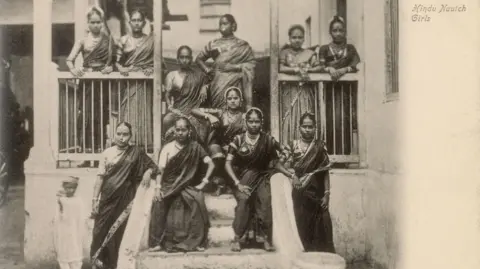
A new exhibition - called Typecasting: Photographing the Peoples of India, 1855-1920, and organised by DAG, the Delhi-based art gallery - brings together nearly 200 rare photographs from a period when the camera was deployed to classify communities, fix identities and make India's complex social differences legible to the colonial government.
Spanning 65 years, the exhibition maps an expansive human geography: from Lepcha and Bhutia communities in the north-east to Afridis in the north-west; from Todas in the Nilgiris to Parsi and Gujarati elites in western India.
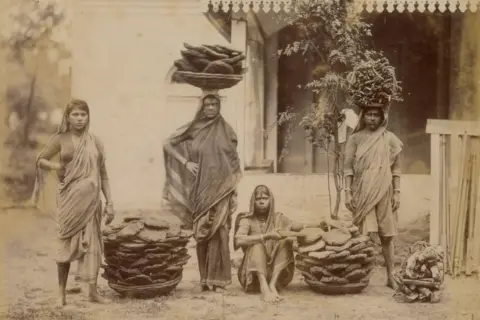
It also turns its gaze to those assigned to the lower rungs of the colonial social order - dancing girls, agricultural labourers, barbers and snake charmers.
These images did not merely document India's diversity; they actively shaped it, translating fluid, lived realities into apparently stable and knowable "types".
Curated by historian Sudeshna Guha, the exhibition centres on folios from The People of India, the influential eight-volume photographic survey published between 1868 and 1875. From this core, it expands outward to include albumen and silver-gelatin prints by photographers such as Samuel Bourne, Lala Deen Dayal, John Burke and the studio Shepherd & Robertson - practitioners whose images helped define the visual language of that time.
"Taken together, this material tells the history of ethnographic photography and its effect on the British administration and the Indian population, in a project which in size and depth has never before been seen in India," says Ashish Anand, CEO of DAG.
Here's a selection of images from the exhibition:
 DAG
DAG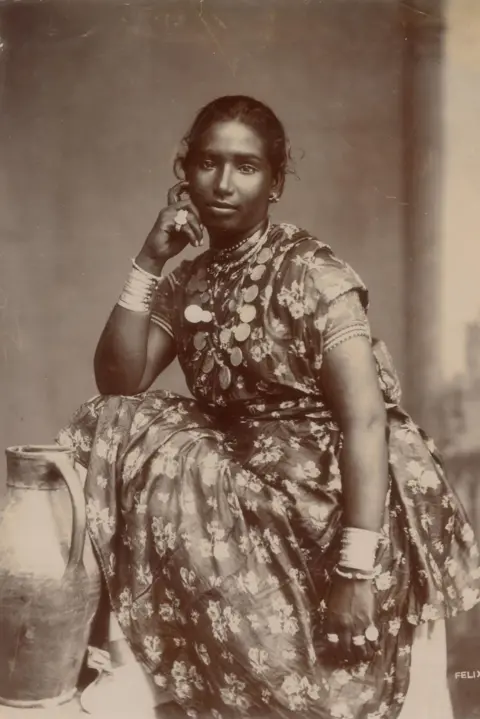 DAG
DAG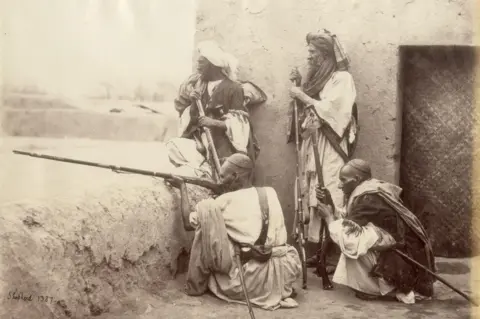 DAG
DAG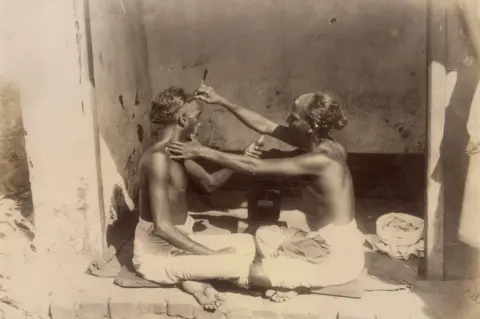 DAG
DAG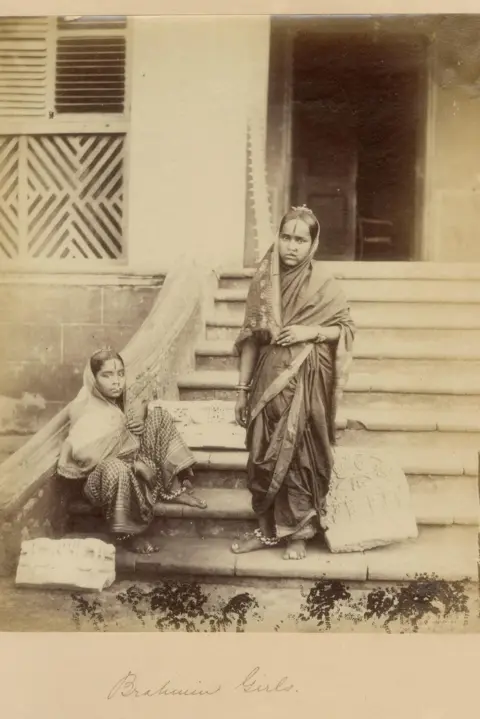 DAG
DAG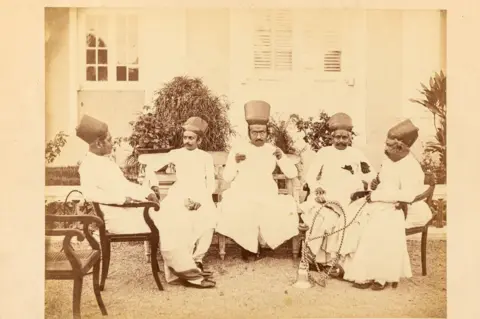 DAG
DAG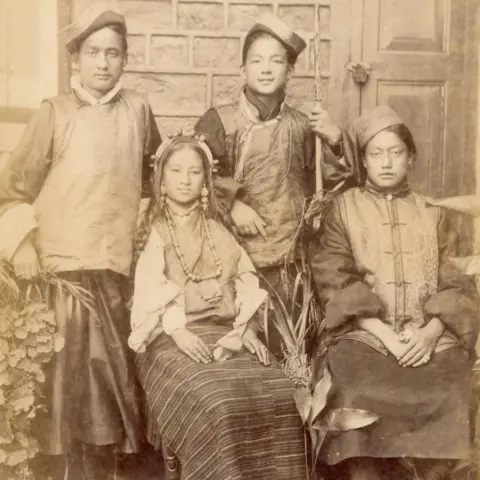 DAG
DAG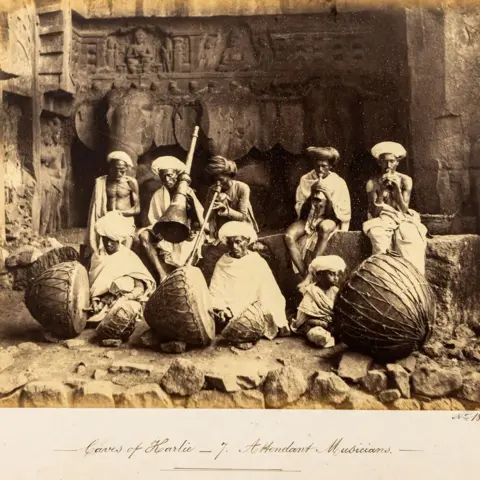 DAG
DAG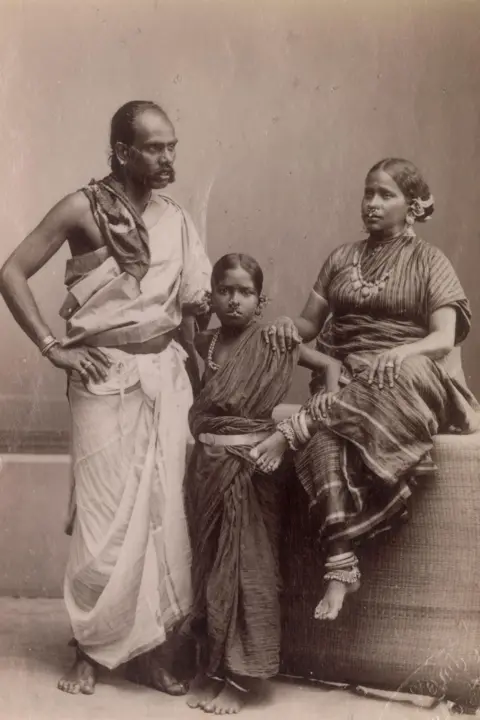 DAG
DAG