Animal admissions double at wildlife rescue centre

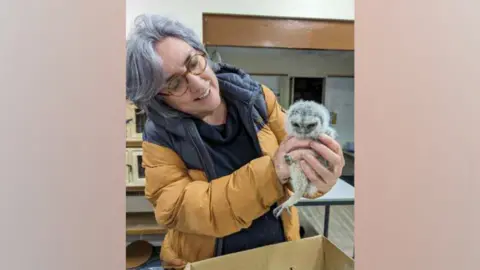 Craven Wildlife Rescue
A rescue centre has said it took in nearly double the number of injured wildlife in 2025 than it did in the previous year.
Craven Wildlife Rescue, based at Horton in Ribblesdale in the Yorkshire Dales, said it had admitted 396 animals and birds in 2024 and 751 in 2025.
The charity, which serves an area of over 500 sq m (1,294 sq km), said many of the species it helps are endangered or facing conservation challenges.
"We are the only rescue of our kind for many hundreds of square miles," said co-founder Penny Hunt.
"As more wildlife is under threat, demand for our help is rising."
The charity covers the North Yorkshire area of Craven, the Yorkshire Dales National Park and the Forest of Bowland National Landscape.
Hunt said the team was dependent on "amazing" volunteers.
"We do our best to give a second chance to as many wild animals and birds in need as possible," she added.
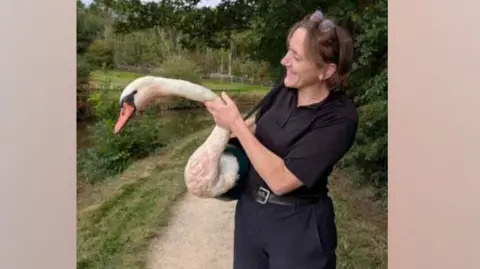 Craven Wildlife Rescue
The charity saw a 508% increase in the number of garden birds being brought to the rescue, with a 225% increase in birds of prey.
Co-founder Jane Carpenter said hedgehogs remained the rescue's biggest admissions by number, from 236 in 2024 to 344 in 2025.
She said the rise in bird admissions had been "astounding" and was down to the rescue becoming better known as a refuge for injured birds.
"Birds continue to be persecuted, poisoned, left homeless, hit by cars, orphaned - and whatever we can do to help them in their hour of need, we will do it," Carpenter said.
She described the charity as an "emergency service" for wildlife.
"When we return an animal to the wild, we don't just save that animal - we help enable it to have young in the spring, and for those young to go on and have their own babies the following spring.
"So our contribution to safeguarding the future of species, including those threatened and already endangered, is massive."
Listen to highlights from North Yorkshire on BBC Sounds, catch up with the latest episode of Look North.
