Hospital rule introduced amid rise in flu cases

 BBC
BBCTwo hospitals are asking people to wear face masks amid rising flu cases.
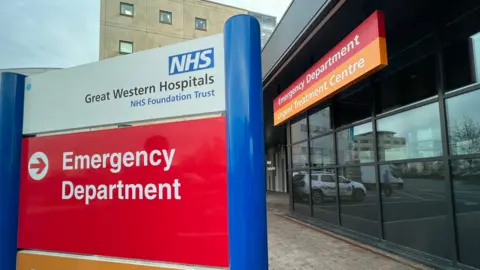
Salisbury District and Great Western Hospitals in Wiltshire are asking all patients, visitors and members of staff in their A&E departments, as well as a number of other assessment units, to wear face coverings.
Great Western Hospital said its flu hospitalisations had increased by 63% in the past week, with cases expected to rise further.
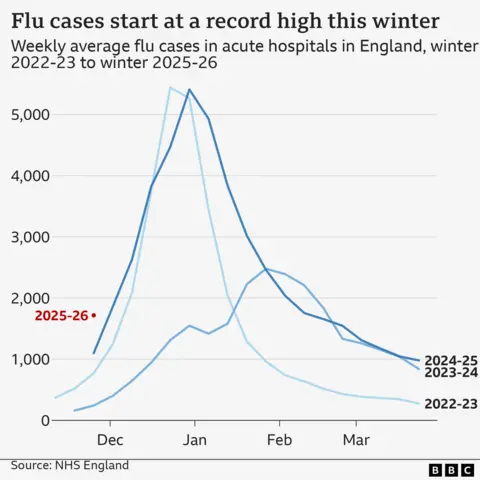
NHS figures showed there were an average of 1,700 patients in hospital across England with flu last week, more than 50% higher than the same time last year.
Health experts are warning there appears to be a more severe strain of the virus circulating this year.
Although the Wiltshire hospitals specifically asked people to wear masks in A&E and a number of assessment areas, they also "highly recommended" staff, patients and visitors wear coverings in other clinical areas.
Salisbury District Hospital said the measure was a "temporary, risk-based precaution to protect patients, staff and services".
The hospital also urged visitors to regularly wash their hands and avoid coming to the hospital if they were unwell.
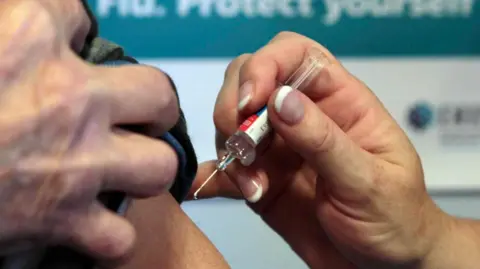
Luisa Goddard, chief nurse at Great Western Hospitals NHS Foundation Trust, strongly encouraged everyone eligible to get vaccinated against flu this year.
"Flu is not just a bad cold. It can cause serious illness, and every winter we see the strain it places on our patients and our services.
"That's why it is so important to protect ourselves and each other by getting the flu vaccine," she said.
Symptoms of flu
The NHS says flu symptoms come on very quickly and can include:
- a sudden high temperature
- an aching body
- feeling tired or exhausted
- a dry cough
- a sore throat
- a headache
- difficulty sleeping
- loss of appetite
- diarrhoea or tummy pain
- feeling sick and being sick
- The symptoms are similar for children, but they can also get pain in their ear and appear less active.
You can find more information from the NHS about how to treat flu at home, and when to see a doctor, here.
Follow BBC Wiltshire on Facebook, X and Instagram. Send your story ideas to us on email or via WhatsApp on 0800 313 4630.