'I want other kids to know about toxic shock syndrome'

 Isabella Verona/ BBC
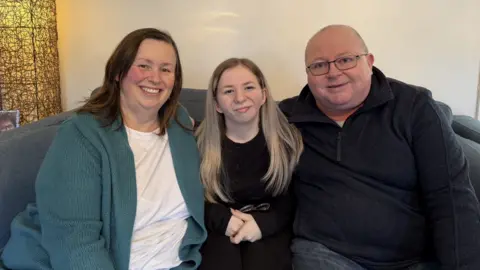
A 16-year-old who developed a brain injury after having toxic shock syndrome (TSS) said she wanted to raise awareness of the condition "to help other kids".
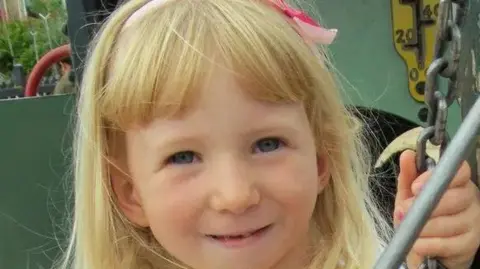
Ava, from Bedfordshire, contracted TSS aged four from Strep A bacteria after having tonsillitis, which caused her to have four heart attacks in 60 minutes and long-lasting complications.
TSS is a rare but life-threatening condition that occurs when bacteria from an infection releases toxins into the bloodstream.
Ava said that more than a decade after having TSS she continues to experience fatigue, memory loss, brain fog and her vision and hearing is impaired.
She added that her brain injury had impacted her coordination and muscle strength on her right side and she found everyday tasks difficult, such as washing her hair or lifting the kettle to make a cup of tea.
Ava was born with a rare genetic disorder called cerebrocostomandibular syndrome, which caused her to not develop a front ribcage and have a hearing impairment.
The 16-year-old said it could still be difficult to receive the right support as others "can't visually see something wrong with me. It's frustrating."
There were 142 cases in the UK of TSS reported to the NHS, from April 2024 to March 2025.
 Supplied
Ava's dad, Clive, said he believed accessing support has been challenging because of the lack of understanding that TSS can leave lasting implications.
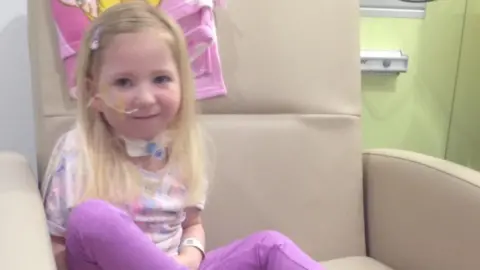
When Ava had her fourth heart attack, aged four, she was attached to an artificial life-support machine on a ward, also known as an ECMO machine, which only four hospitals in the UK had at the time.
"Without a shadow of a doubt [that was] a miracle," Clive said.
She later underwent eight months of physiotherapy at Great Ormond Street Hospital in London, where she relearned everything from walking to swallowing.
"I just kept trying and trying," Ava said.
 Supplied
Ava said that living with the complications of TSS was a constant reminder of what she went through and was what motivated her to help others.
The 16-year-old is currently studying health and social care at college and wants to become a play specialist and help young children in hospitals.
"From tiny, Ava has always been very very determined," Ava's mother, Mary-Jane, said.
What are the symptoms of TSS?
The condition can progress when tampons or menstrual cups are not changed regularly or from wounds such as burns, bites or scratches, or common bacterial infections such as in Ava's case.
Symptoms of TSS include:
- A high temperature, or feeling hot, cold or shivery
- Muscle aches
- A raised skin rash that feels like sandpaper
- Flu-like symptoms
The two main types of TSS are menstrual-TSS, which is triggered by a retained tampon, and non-menstrual TSS, which is caused by an infection anywhere in the body.
 Getty Images
Twenty-two-year-old Molly, the BBC has agreed not to include her surname, from Northamptonshire, was 14 when she got TSS after leaving a tampon in overnight.
Shortly afterwards she began to experience stomach problems, a high temperature and heart rate, a rash and low blood pressure.
Within hours of arriving at a hospital, Molly's organs began to fail.
Doctors did not consider TSS until Molly's mum, Sonia, mentioned she had Googled her daughter's symptoms and they aligned with the condition.
"It was really scary at the time. I had no idea what it was," Molly said.
"If I had left it any longer, she would have died. It's really scary to think about," Sonia added.
The mother and daughter said it was a "dark time" as Molly recovered from the infection and Sonia added that doctors treating her daughter said they "hadn't seen anything like it in 40 years of practice".
"Nobody knew of it [TSS] and people thought I was faking it," Molly said.
She added that the doctors told her if she decided to have a baby or had an operation she would need to mention having TSS as she was 50% more likely to get it again.
"It's worrying if she gets an infection or cut," Sonia said
"Everybody needs to know [about TSS]. It's really important to make people aware of it," she added.
Molly said that as a result of the infection eight years ago she still experiences fatigue, brain fog, temperature regulation issues, hair loss and health anxiety.
"I get cold to the bone and I can't warm up," Molly said.
 Isabella Verona/ BBC
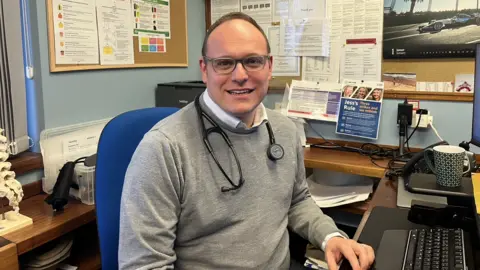
Jamie Green, a GP from Delapre Medical Centre in Northampton, said: "If you have a sore throat or an infection brewing in a cut, or if you think you have retained a tampon, getting medical attention is really important."
Green said a situation similar to Ava's was "very difficult to prevent", which was why there was little awareness about developing TSS from that type of infection.
The long-term effects of infections were not "very well catered for" in the NHS as there was no standard procedure for aftercare of an invasive infection despite them being common, Green said.
He explained that toxins can build up all over the body, which can cause inflammation and increase the risk of depression and brain fog.
People with weakened immune systems, diabetes or poor lifestyle were more prone to the infection, he added.
A Department of Health and Social Care spokesperson said: "This government inherited a broken healthcare system and we recognise the difficulties that people with long-term conditions can face in accessing care.
"As part of our 10-Year Health Plan, we are shifting the focus of NHS care from hospitals and into the community, with plans for neighbourhood health centres so that those with long-term conditions are better supported with care in a single, convenient place."
Follow Northamptonshire news on BBC Sounds, Facebook, Instagram and X.
