Inside the depot organising aid to war-torn nations

 BBC
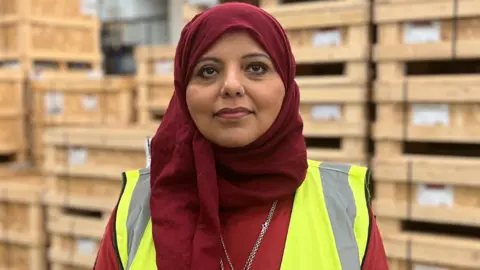
BBCOn a small industrial park in the Oxfordshire market town of Bicester, employees work hammer and tongs to help organise aid for millions across the world - including hundreds of thousands of people in Lebanon who have had their lives torn apart by the ongoing conflict in the Middle East.
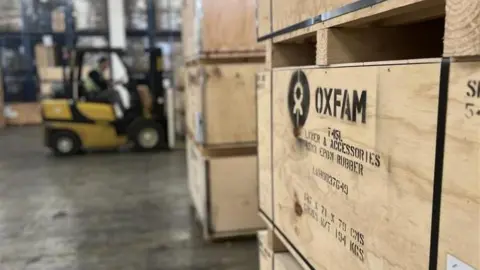
The Oxfam Supply Centre ships aid across the world to those in need, including large water tankers which were sent to support people in and around Beirut just before the current war began.
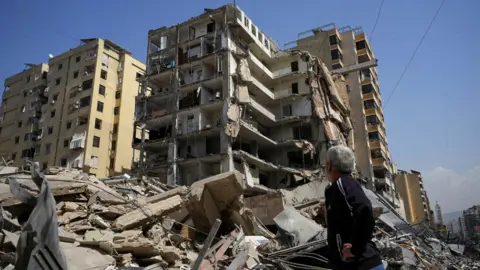
Since the latest conflict in the Middle East started almost a fortnight ago, Lebanon has experienced widespread destruction as Israel tries to dismantle the Iranian-satellite group Hezbollah.
But Oxfam estimates the bombing campaign has forced nearly 800,000 to flee their homes in and around the Lebanese capital.
Shaista Aziz, who is leading Oxfam's aid campaign in the country, said it had been "very devastating to see war once again engulfing the region".
"We have colleagues across Lebanon... and they've been keeping us updated on what's happening - they're painting a very vivid and very disturbing picture," she said.
Lebanon was pulled into the conflict between Iran, Israel and the US 11 days ago, when Hezbollah launched rockets and drones into Israel in retaliation for the assassination of Iran's supreme leader and repeated Israeli strikes since a ceasefire ended their last war in 2024.
Israel said Hezbollah's attack justified launching a broader campaign against the group, including intense air strikes and commando raids inside Lebanese territory. It has said the campaign will continue until Hezbollah is disarmed.
At least 634 people, including 91 children, have been killed in Israeli attacks since then, according to Lebanese authorities.
With hundreds of thousands of Lebanese people also displaced, Oxfam's team in Bicester is working around the clock to prepare much-needed aid to the region.
"We've got bladders, we've got tanks, we've got all sorts of bits and pieces that all enable Oxfam's water and sanitation engineers to construct water tanks," Shaista explained.
"This [the depot] is a very busy place and there's a lot of material in here that has been brought into this warehouse and has been fundraised [for] by the UK public.
"It's due to their kind donations that we are able to get this kit here and then co-ordinate to get it out into countries impacted, as with what we're seeing now."
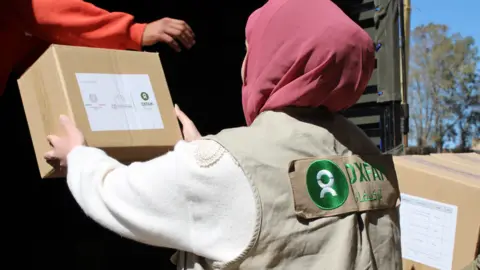
Oxfam said whilst much of its aid in Lebanon was currently being sourced locally, the Bicester depot was ready to help teams on the ground respond quickly to the rapidly changing events there.
 Ghiwa AbiHaidar/Oxfam
Shaista has been working in humanitarian emergencies for more than 20 years, including in Lebanon and neighbouring Syria, and said she had "real deja vu" regarding the current conflict.
"It's a devastating situation to see how war has become the norm in so many parts of our world, and particularly in Lebanon," she said.
"We've got children who are now teenagers who've known nothing but war, and that is absolutely horrifying and shocking."
But the Lebanese people were "very resilient, very proud and very dignified", she added.
Oxfam has provided help to war-torn regions across the globe since the early 1940s, with Shaista explaining that the aid was "a signal to people that the outside world wants to help".
"It's really easy for people to switch off in terms of the politics of war, but I think we have to remember that it's really impacting everyday people like us," she said.
"This is really important [because] it gives people some hope and it makes them understand that they're not forgotten."
 Reuters
Earlier this week, UN humanitarian chief Tom Fletcher warned of "a moment of grave peril for Lebanon".
"The Lebanese people are doing everything they can just to stay afloat right now. And what they most need is Iran and Israel to take war somewhere else," he said.
But on Thursday morning, Israel's defence minister said the Israeli military had been instructed to prepare for "expanding... operations in Lebanon" in response to the latest Hezbollah attacks.
Israel Katz also warned Lebanon's President Michel Aoun that if the Lebanese government "does not know how to control the territory and prevent Hezbollah from threatening northern communities and firing toward Israel, we will take the territory and do it ourselves."
Hezbollah, whose name means "Party of God" in Arabic, is not part of the Lebanese government and operates separately from it. It is instead closely linked with the Iranian government, which provides much of the group's funding.
You can follow BBC Oxfordshire on Facebook, X (Twitter), or Instagram.
