'Living ruin' plan for Springburn Winter Gardens nets £1.1m funding

 Richard Sutcliffe
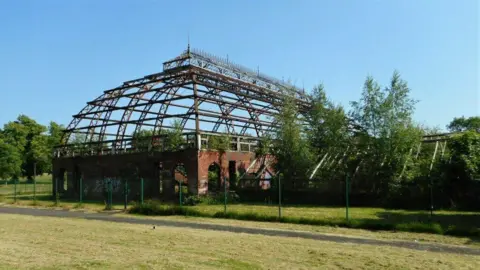
Plans to restore Scotland's largest glasshouse as a "living ruin" at the heart of the local community have taken a step forward after £1.1m in funding was secured.
Springburn Winter Gardens closed in 1983 following a huge storm, and the building has remained derelict ever since.
However, funding from the the Regeneration Capital Grant Fund has now been confirmed, which the community trust for the glasshouse say will enable them to stabilise the building and then slowly bring it back into use.
Longer term plans involve turning the structure into a hub for arts and culture, which could include a performance space, allotments and a café/bar.
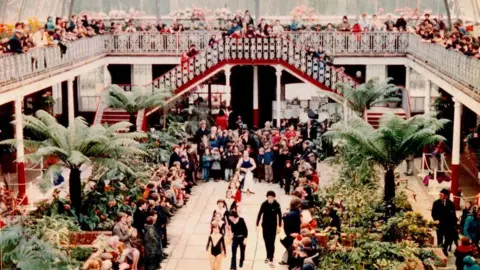
The glasshouse first opened in 1900 and became a popular site with multiple generations of locals, known for concerts, exhibitions and displays of exotic plants.
However, the decaying site became better known in recent times as a symbol of Springburn's perceived decline.
Sarah Robinson Frood has been working on the restoration plans via her Innovate Rural company, and believes the new funding grant can - quite literally - secure the building's future.
She explained: "On a basic level it's going to make it accessible again and stop it falling down. There has been a lot of technical reporting over the past couple of years and that has shown it is in a precarious state.
"The plan was always to secure enough funding to make the building stable but also accessible enough for people so they can walk in and around the building, as well as developing a programme for use."
Sarah says that programme could include anything from heritage exhibitions to performances by dance groups, but the main aspect will be making the Winter Gardens part of the overall park again.
 Glasgow City Council
The intention is that the glasshouse would be able to come back into use as a space for the community despite not being fully restored - hence the "living ruin" term to describe it.
"We aren't taking the building back to a fully glazed botanic gardens style state just now," says Sarah.
"It's just about bringing it back into use after stabilising it. It's something like a ruined church or a bandstand, where the structure is still there and can be utilised while not being a completed or closed building."
She added that some locals feel the glasshouse has not received nearly enough attention as it declined, in comparison to other historic buildings in more affluent areas - like the Botanic Gardens in Glasgow's West End.
The Springburn Winter Gardens Trust will now continue to seek further funding to develop further plans for the site.
Jackie Shearer, a member with the trust, said there is strong local support for restoring the glasshouse, a building tied to fond memories for many residents.
She told BBC Scotland News: "This is a first step, but it's a big step – it's the beginning of the structure being brought back to life.
"People are really willing this on and it really captures your imagination. When you mention the winter gardens people here will go down memory lane as they have so many stories about it and it's part of their DNA here.
"They understand that it will never be what it was before, but they are excited for how this can be part of the community going forwards in the future."
The Regeneration Capital Grant Fund came from the Scottish government, Cosla and local authorities.
It gives grants to help deprived, disadvantaged and fragile communities.
