Plan to hike parking charges draws criticism
 PA Media
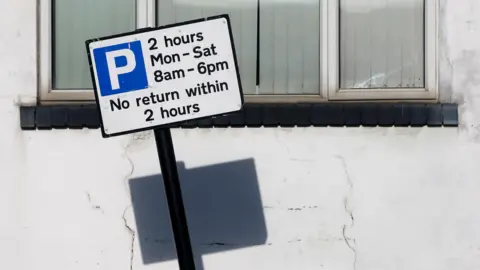
A plan to raise the cost of residents' parking permits by more than a quarter has been criticised by councillors.
Gloucestershire County Council is hoping to raise an extra £338,000 during the next financial year by charging residents more for residential parking permits and on-street parking fees.
Their budget proposals suggest increasing a households' first parking permit from £63.60 currently to £80 from April, with one councillor saying there was "absolutely no written evidence" to justify the "excessive" increases.
Liberal Democrat finance, assets and transformation cabinet member Colin Hay said the area was in the "top end" nationally for charges but the increase was "justified".
As part of the plan, on-street parking charges in parts of Gloucestershire would also be increased at above inflation rates.
Fellow Lib Dem, Jeremy Hilton, said: "The people that have to pay the permits because others use their streets as a free car park are now being proposed to be excessively overcharged.
"The permits have gone up, time and time again in the past."
He said it was totally unacceptable.
"I've had no justification. Not anything in writing, or accounts to justify this increase.
"I'm frankly annoyed about it."
Hay said district councils have put up charges and in some cases they have put them up halfway through the year to "cover gaps".
Council leader Lisa Spivey said: "I absolutely appreciate that for some people, 40p a week is more money than they can afford," she said.
She said the council needs to make difficult decisions and be really pragmatic and they need to take a balanced approach due to financial pressures affecting the authority.
Follow BBC Gloucestershire on Facebook, X and Instagram. Send your story ideas to us on email or via WhatsApp on 0800 313 4630.
