The town achieving a butterfly-friendly first

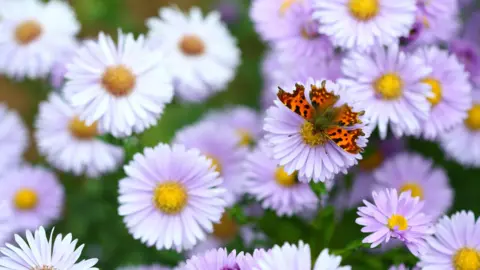 Will Langdon/Butterfly Conservation
A mayor has said she is "proud" that her town council has pledged to become the first official butterfly-friendly town in the UK.
Gillingham Town Council in Dorset has signed up to the East Lulworth-based Butterfly Conservation's nationwide challenge calling on all local authorities to help butterflies and moths.
The market town will sign a pledge to take actions such as improving and creating places for the species and ending the use of pollinator-killing pesticides.
Mayor Fiona Cullen said the step "reflects our continued commitment to protecting and enhancing biodiversity across our town".
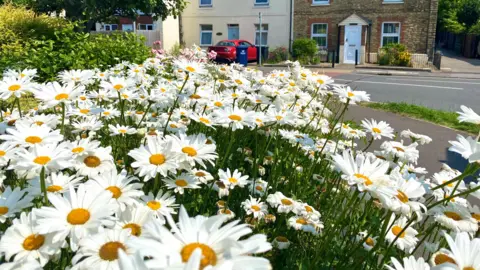 Gillingham Town Council
The town already has a biodiversity policy, a pollinator action plan and a biodiversity action plan written in consultation with Dorset Wildlife Trust.
It is also hoping to create a special moon meadow with dedicated planting and other features for night-flying moths and other nocturnal creatures.
The town has promised to improve access to green spaces and work to cut light pollution.
"As the town grows, it's quite a balance between having lighting so that people feel safe and secure but also not damaging our wildlife.
"The moon meadow is in an area where there isn't a lot of street lighting ... and that will certainly help a lot," Cullen added.
The council already works with the wildlife trust and Gillingham Action for Nature Group to maintain green spaces and open spaces in the town have received Green Flag Awards.
Pete Hughes from Butterfly Conservation said an entire town taking a pledge could make "a real difference".
With the creatures facing a loss of habitat over the past century, he said butterflies and moths across the UK "have fared very badly".
Residents of Gillingham are encouraged to support the initiative by planting nectar-rich flowers.
Cullen said she was "so proud" of the town's involvement.
"This pledge reflects our continued commitment to protecting and enhancing biodiversity across our town and ensuring our public open spaces support wildlife for future generations."
You can follow BBC Dorset on Facebook, X (Twitter), or Instagram.
