City council approves 4.5% tax rise

 BBC
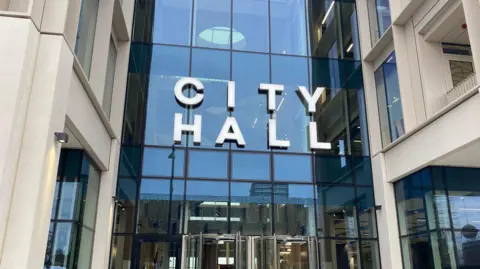
BBCA council has approved a 4.5% increase in its tax from April as it signed off its budget for the next financial year.
The rise means Band A properties in Sunderland - the majority in the city - will pay about £1.04 more a week.
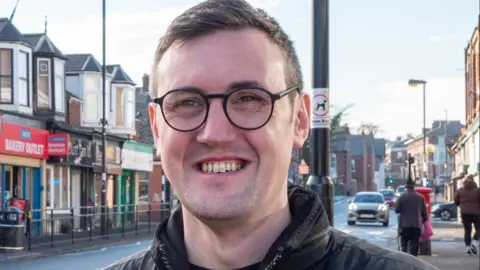
Michael Mordey, leader of the Labour-run local authority, said the increase was needed to protect frontline services and "avoid deeper cuts in future years".
About £600,000 of savings are planned for the next financial year, including a review of car parking fees which council documents describe as "increasing parking charges in off-street car parks".
There are also plans for about £55m of new investments into schools, infrastructure and equipment next year as part of the council's capital programme.
An extra £100,000 is also expected to go towards city-wide events.
Mordey said the council was looking at a £36.3m funding gap between 2027/28 and 2029/30, which would be addressed through "transformation, innovation, income maximisation and continued robust financial management".
But he warned "further substantial resources" were needed for long-term sustainability.
 Sunderland Labour Group
During debate on the budget, some opposition councillors raised concerns about the level of government funding for council services in future years and the impact of debt charges and "borrowing costs" on council services.
Mordey said debt "is the price we pay for investment in the city" and noted previous decisions by the Labour council had led to new buildings on the former Vaux site and "spurred on the regeneration across Riverside Sunderland".
He added the "council tax system that funds a large proportion of council services" was "not fit for purpose".
"When we're seeing rises in adult social care, in special educational needs and in homelessness provision, it's absolutely crippling not just this council but other councils and you're seeing the rise in 'exceptional financial support' that's being given to councils," Mordey added.
"It's unfair on places like Sunderland who have a low council tax base to start with, so that we're unable to raise as much revenue as other more affluent areas across the country, that we're effectively asking our residents to pay more."
Under new funding arrangements for councils from 2026/27, the local authority received a multi-year settlement from central government.
Mordey said the council would continue to lobby for increased support in the future.
The Labour Group's budget was passed by 37 votes in favour and 16 votes against.
Budget amendments by the Liberal Democrats and the Conservatives were also put to separate votes, but failed to win majority support.
