Survey identifies 144 homeless women in city

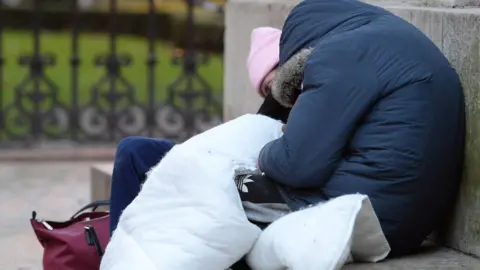 BBC
BBCThe housing charity Shelter has released the first figures from its Women's Rough Sleeping Census in north-east England.
Researchers for the September 2025 study found 144 women in Newcastle who had experienced homelessness or had no safe place to stay at some point during the past three months.
Shelter said it was "really shocked" by the numbers which were much higher than anticipated.
Newcastle City Council, which has an aim to eradicate homelessness is the city by 2030, said it may have to "adjust" the number of beds and hostel places for women.
The study, in collaboration with the council, aims to help local authorities get a better idea of the true scale of women's homelessness in their area.
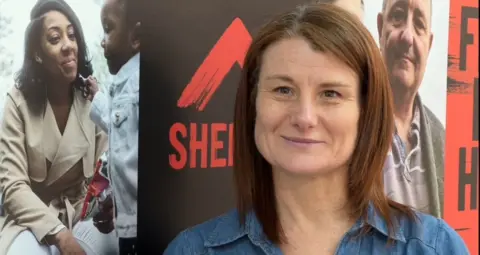
Volunteers on the Women's Rough Sleeping Census spend a full week actively searching for homeless women where they might be sheltering, such as hospital toilets, train stations or restaurants that are open around the clock.
Researchers also speak to local charities and services, including drug and alcohol teams and foodbanks, to gather information on any homeless women they may be helping.
Tracy Guy, from Shelter, said women will avoid sleeping on the streets and can be missed from the traditional homeless surveys which count the number of visible rough sleepers on the streets on a given night.
"They tend to be sofa surfing," she said.
"Walking around all night, sleeping in public toilets and they stay with perpetrators of violence so they're not street homeless."
'Scared to go home'
The September study also found 10 women who said they had been sleeping rough every night for the previous three months.
Official council data for the same month found 16 women who were rough sleeping, but a direct comparison cannot be drawn because the data was collected in a different way.
"I was really shocked by the numbers," said Guy
"Those numbers were way bigger than we thought they were going to be."
She recalled an incident during census week when she met one woman who had her own property, but was "too scared to go home" because of domestic abuse.
She had been sleeping in the city's train station for two weeks before Shelter helped her to resolve the issue.
"Without us being in the right place at the right time that woman might not have got that help," Guy said.
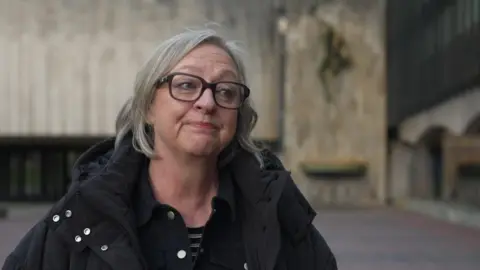
Paula Maines, Newcastle's Labour cabinet member for housing, said it came as no surprise that there were more homeless women than expected.
"We really do need to look at that in terms of our strategy" she said.
"Although we do have two dedicated hostels for women only, we might have to adjust those figures and beds."
Gateshead and South Tyneside are yet to release their 2025 census results.
Shelter said all seven local authorities in the North East plan to take part in the census later this year.
"We try and get people off the street and that's brilliant, but we need to look deeper," Guy said.
"We need to give women the time, the space and the services that they need."
