Extra money for NI not 'meeting the demand', says minister

 PA Media
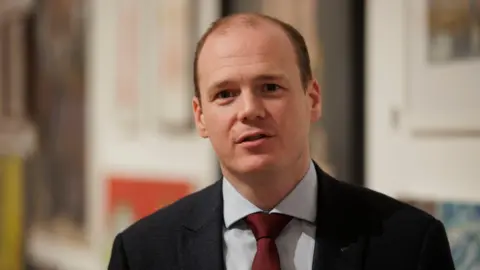
The extra £370m announced for Northern Ireland in the government's Autumn Budget is "not coming anywhere close to meeting the demand and the need that we have here", the minister for communities has said.
Chancellor Rachel Reeves announced the extra funding on Wednesday.
Last week, Finance Minister John O'Dowd said that Stormont was facing a £400m overspend based on current financial commitments.
On Thursday, Communities Minister Gordon Lyons said the extra funding would be spread over four financial years, adding: "We're already experiencing pressures this year of hundreds of millions of pounds."
The £370m will be used in two ways. The Department of Finance said £240m would be used for day-to-day spending, and £130m would be used for capital projects.
Speaking on Radio Ulster's Good Morning Ulster programme, Lyons said the budget was "very, very bad".
He welcomed the lifting of the two-child cap on means-tested benefits, but said: "That's out-weighed by many of the other measures in this budget that's going to be very damaging."
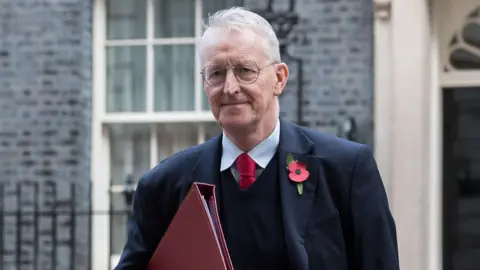
Reacting to Lyons, the Secretary of State for Northern Ireland, Hilary Benn, said: "The Northern Ireland Executive does have the means if it wants to raise more money" by revenue raising.
Benn added: "There are people in Northern Ireland who could perfectly well pay water charges, which apply in other parts of the UK.
"Government is about making those choices and that is available to the Northern Ireland Executive if they wish to do it."
But Lyons said he was "not prepared to put more burden" on workers and said revenue raising would "fall on the backs of the same people... already getting hammered".
 Getty Images
Reeves also announced increases in the minimum and living wage, but Lyons said: "Costs are passed onto others."
"We obviously want to see our workers fairly paid, but of course there will be consequences to that for businesses," he said.
Benn said that raising wages would help the economy by giving people "more money in their pocket then that enables them to spend it".
"As a society you have to decide are people going to be fairly paid for going to work every day," he added.
