The highs and lows of AI in the tattoo industry

 BBC
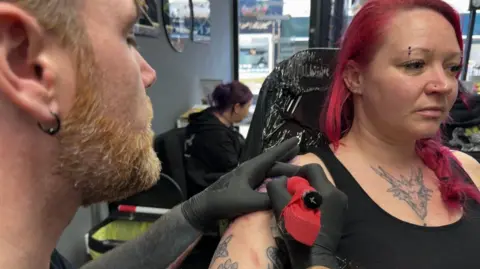
BBCA tattoo studio owner has said that artificial intelligence (AI) has both negative and positive uses in the industry.
Kerry Gilbert runs Tattoo Morningstar in Weymouth and believes that AI can save time but that it can also makes the job harder.
"AI tattoo designs created by customers are always vigorously looked over because it likes to add extra things like fingers or toes or miss them out and it takes time to redesign." she said.
Principal academic in computer science at Bournemouth University, Ben Gorman, explains that people need to understand that AI programmes like Chat GPT do not work like artists who have human reasoning.
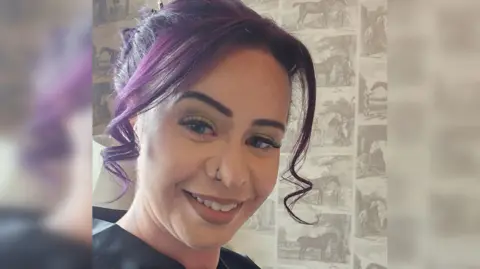
Sacha is a regular customer at the studio and many of her tattoos have been designed using AI programmes.
"I don't know how many tattoos I have got, there are too many, they are everywhere.
"The ones on both of my legs and thighs are AI designed and they are little characters.
"Quite often I'll come and have a flash tattoo on my half hour lunch break."
 Tattoo Morningstar
Tattoo artists are finding that many clients often generate designs that are too big for the area of skin they want tattooed so they have to be redrawn.
"Customers want a tattoo done at six or seven inches, and you have to say, well actually that needs to be done at more like 15 to 20 inches." said Gilbert.
She continued: "It's because ink spreads over time, so the lines become thicker and it'll end up being a blob if a tattoo isn't done at a reasonable size."
Gilbert also said that AI does not do dates or script very well either. "You have to make sure that everything is spelt correctly before it's tattooed.
Gorman said that a lot of people think that AI works through how we would understand human reasoning but it doesn't.
"If you ask an artist to paint a picture of a dog they are going to take all of their knowledge and generate a wonderful picture of a dog.
"AI works differently as it is trained on thousands of text images so when you put in your prompt it's trying to statistically determine what you want the image to be.
"So the more accurate your prompt is going into the system, the better your outcome."
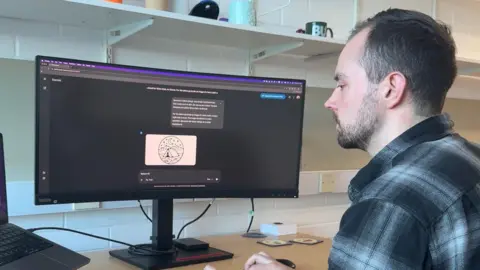
Positive points to a tattoo artist using AI, is that it can save time if the artist creates the design themselves.
They can then fit more appointments into the day and create bigger and more detailed pieces.
Gilbert said: "As a studio that is charity focused we have a board of small tattoo designs that cost £20 and £1 of that goes to Dorset Mind.
"Those designs are made using AI and it's just about sitting and playing with the prompts so sometimes you can simplify it or make it more detailed.
"It does take about six or seven prompts to get it right though."
Gorman believes the solution is to teach more people about to how use AI and its good for tattoo artists to be integrating it: "The human element is still in there as the artistry in the tattooist's case is doing it on the skin.
"Generally the art is just one aspect of the job and they will actually be able to spend more time doing that, which is more impactful."
