All you need to know about local elections in Suffolk
 BBC
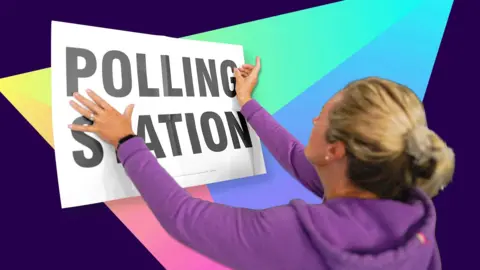
BBCVoters across Suffolk will go to the polls to elect councillors to two local authorities on 7 May.
All 70 seats at Suffolk County Council, and a third of the 48 seats at Ipswich Borough Council, are up for grabs.
These elections were due to be postponed because the way local government operates is being reorganised, and local authorities had extra workloads associated with that.
The government previously asked councils if they wanted to cancel the elections due to this; however, after a legal challenge in February by Reform UK, the government said they would now go ahead.
So what do you need to know if you are a voter in Suffolk?
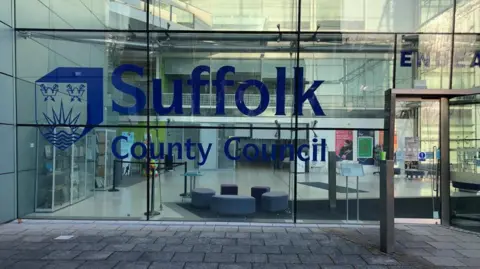
Suffolk County Council
 Vikki Irwin/BBC
Suffolk County Council has responsibility for things like adult social care, children's services, highways, rights of way, waste disposal (not collection) and the fire and rescue service.
The last election was held in 2021 - they were due to be held again last year but were postponed.
The county council has 70 councillors who represent electoral divisions.
On average, each councillor represents about 7,000 people.
Currently, the Conservatives have a majority of 44 councillors, and the official opposition is a coalition group made up of nine Greens, five Liberal Democrats, and four independents.
There are also six Labour, six Reform and one West Suffolk Independent on the council.
Could the council change hands?
You need 36 seats or more to secure a majority at Suffolk County Council.
It has been run by a Conservative majority since 2005, except for a few years between 2013 and 2017.
The Tories can only afford to lose nine of their 44 seats if they want to retain control.
The Green Party in Suffolk became the official opposition in coalition with the Independents and Liberal Democrats in 2021. They will need to gain 29 seats and hold on to the nine they already have to win out overall.
The Greens have been gaining increasing support in the county. They took Mid Suffolk Council in the 2023 district elections and returned the county's first Green Party MP in the 2024 general election.
Reform will need to gain 29 seats and retain the six they have to take control. They have gained seats at the council through winning by-elections and defections.
Labour has seen a slow decline on the county council since being in control in the early 2000s and having 15 elected councillors in 2017.
Like Reform, Labour need to gain 29 seats and retain the six they have to take control.
The Liberal Democrats have also seen fewer councillors elected over the last decade, from 11 in 2013 to five in 2021. However, if they retain their five seats and the votes run close overall, who they decide to partner with could decide who runs the council.
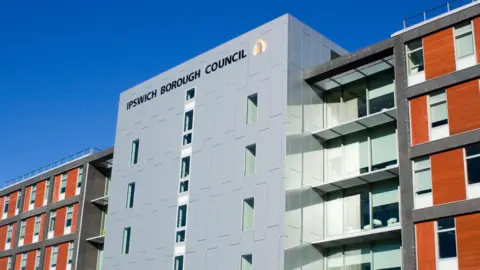
Ipswich Borough Council
 Ipswich Borough Council
Ipswich Borough Council has responsibility for things like housing, waste collection, planning, environmental health, council tax collection, leisure facilities, and local licensing.
It has 48 councillors across 16 wards. It means there are three councillors per ward.
Labour has 38 seats and runs the council. The Conservatives have seven, and the Liberal Democrats have three councillors.
Neither Reform nor the Green Party have a seat at the council.
A third of councillors are elected at a time, so the polls run every year for three years and then take a year off. Councillors are voted in for a four-year term.
As there are only 16 seats up for election this time around, it is not possible for the council to change hands.
What is the difference between the two councils?
Some parts of England are covered by county councils, which cover an entire county, and district councils, which cover a smaller area within the county. People living in these areas have two councils, each providing different services.
That is how Suffolk is currently set up, with the county council responsible for services such as road maintenance, schools and libraries.
Ipswich Borough Council, one of Suffolk's district authorities, looks after local services like bin collections, parks and local planning.
What about the other Suffolk councils?
All the other councils – Mid Suffolk District Council, Babergh, East Suffolk and West Suffolk – had elections in 2023.
The next ones were due in 2027, but the government is in the process of shaking up how councils are run and how many there are in Suffolk. A decision on this is due by the end of the month.
How can I vote in the elections in Suffolk?
There are three ways to vote:
- in person at your local polling station on election day between 0700 BST and 2200 BST
- by postal vote
- by nominating someone to vote on your behalf - a proxy
What was the deadline for registering to vote?
To vote on 7 May, you needed to be on the electoral register by 23:59 BST on Monday 20 April.
The deadline has also passed to request a postal vote, which was 17:00 BST on Tuesday 21 April.
However there is still time to apply for a proxy vote. If you are already registered to vote, the deadline is 17:00 BST on Tuesday, 28 April.
You must be 18 to vote in the local elections in England.

Do you have a story suggestion for Suffolk? Contact us below.
Follow Suffolk news on BBC Sounds, Facebook, Instagram and X.
