Shopping addiction on the rise, says rehab boss

 Getty Images
Shopping addiction is becoming increasingly common, according to the boss of a leading treatment centre.
Nick Dunkley, who runs Banbury Lodge - a private rehabilitation clinic in Oxfordshire - said he had seen cases of compulsive buying rise over the past decade.
Data from UK Addiction Treatment Centres (UKAT) also showed almost 5,000 people sought help for shopping addiction on its website in the last three months - a 25% rise on the same period in 2025.
Dunkley said the emotional pattern was "no different to substance misuse", with those affected looking for their next "rush".
What is shopping addiction?
Shopping addiction - also known as Compulsive Buying Disorder - is a behavioural addiction, rather than a substance-based one like drug or alcohol dependence.
According to the NHS, it can develop when people buy things they do not need or want to "achieve a buzz".
Those prone to depression, anxiety, low self-esteem and emotional distress may use shopping as a coping mechanism to alleviate negative feelings, according to UKAT.
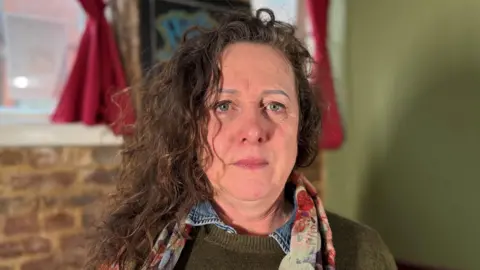
Ann Carver, from Emsworth in Hampshire, began buying compulsively after her mother died.
"I'd always buy with my feelings and it was looking for things that would cheer me up," she said.
The 61-year-old said she was "feeding the buzz" of daily shopping trips before realising her spending had spiralled into thousands of pounds of debt.
"Every day I'd be in the shops... and the minute you get home, often you forget what you've even bought."
Shopping for clothes and ornaments became a way of coping, and Carver said she hid her behaviour from her family.
"There's so much shame, you know, around debt, and I was in denial for a long time."
'The chill'
"It's really common - it's certainly something that's been on the increase," Dunkley said.
"Certainly during Covid times, when online shopping became easier."
He said brands' advertising made it difficult for those with compulsive buying behaviours to resist.
"They're drawn into that, and they get that initial rush of the purchase and the owning of something.
"But then quite often that's followed by quite a sharp realisation - the chill if you like - that they've bought something they don't need."
Since recovering from her addiction, Carver said shopping has felt different to her.
"I would never have been able to walk down a high street without popping in almost every shop.
"And it's quite empowering to realise I don't have that anymore."
Treatment at the UKAT rehab centre in Banbury involves group sessions and talking therapy.
The NHS has been contacted for comment.
If you have been affected by any of the issues raised in this story, information and support can be found at the BBC's Action Line.
