They thought they were 'losing their minds' to 'lonely' condition

 BBC
BBCWomen who have waited decades for a diagnosis for a severe premenstrual condition have called for more support.
Members of a North-West support group for women living with premenstrual dysphoric disorder (PMDD) told the BBC their symptoms included extreme mood swings, depression, anxiety and suicidal thoughts.
But they said they had been repeatedly misdiagnosed or had their concerns dismissed by doctors.
The Department of Health and Social Care (DHSC) said a new health strategy will ensure women are "listened to and taken seriously", adding that women with PMDD have been "failed for far too long".
In the UK, around one in 20 women have PMDD, and the average wait for a diagnosis is around 12 years, according to a report by the charity PMDD Project.
At a support group in West Derby in Liverpool, women have been sharing their experiences of what it is like to live with a debilitating menstrual condition.
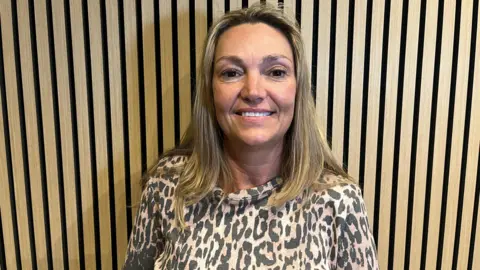
Mandy McCarthy, 48, from Aintree, said she first started experiencing symptoms when she was 15.
She describes PMDD as an "uncontrollable rage."
She said: "You become somebody else, and it takes over what you say and how you feel.
"The tears, the anger, the self-hatred, suicidal thoughts, losing relationships, friendships... you can't control it. There's nothing you can do about it."
What is PMDD?
According to the NHS, external, symptoms of PMDD are "similar to PMS, but are much more intense and can have a much greater negative impact on your everyday life".
Symptoms can include:
- Headaches and joint and muscle pain
- Overeating and problems sleeping
- Feeling very anxious, angry, depressed or suicidal.
The exact cause of PMDD is not fully understood, but the average wait time for a diagnosis is around 12 years.
Some of the women said they were diagnosed with bipolar disorder, anxiety, irritable bowels and depression – before later finding out they had PMDD.
"Misdiagnosis is very common. Doctors just fob you off for years and years and it's like beating your head against a brick wall," Mandy said.
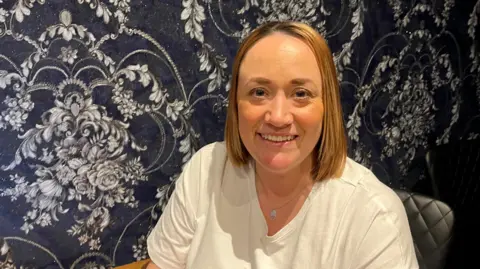
Lorna Mayers, 43 said her diagnosis was a relief after years of struggling with symptoms since being a teenager.
"My feelings became intense and uncontrollable. I thought I was losing my mind and now I know I'm not. Talking it through with the other girls, this is hope," she said.
Abigail Grierson, who at 29 is one of the youngest members of the group, said she was "one of the lucky ones" after being diagnosed at 23.
Her therapy course lecturer spotted some of her symptoms, and after suggesting it could be PMDD, Abigail went to a GP specialist and received her diagnosis.
"I was so, so, so lucky. It is a gift to know everything I do as young as I do.
"To be able to manage and understand it early," she said.

The group, PMDD North West, was set up by Liverpool mum Rachel Bertenshaw, 42, who waited 23 years for a diagnosis.
She was originally put on medications for mental health conditions and heavy periods.
"I didn't know I was looking for this diagnosis because I didn't know what it was.
"But I just knew something wasn't right with my cycle," she said.
"Unless you are going to the doctors every week and making yourself a bit of a nuisance, then you just get left," she added.
"I was in a GP appointment once and told [the GP] I was suicidal, and she looked at her watch and told me I would have to make another appointment.
"I can't even comprehend that."
Rachel started sharing her experiences on social media and discovered she was not alone.
It was what led her to set up the support group and begin hosting monthly sessions with other women.
"I wanted to bring women together... it's so lonely having this condition."
Mandy said: "This is the first time in over 33 years of suffering that I have been with women who understand.
"I wish I could tell that little 15-year-old me that you're not abnormal, you're not crazy, this is just a condition you've got."

Dr Mahshid Nickkho-Amiry, consultant gynaecologist at Spire Manchester Hospital, said: "PMDD is a diagnosis that can be frustratingly slow to get.
"Often that's because the symptoms do overlap with lots of other conditions."
"There's not a simple lab test that can tell us that's what you have and there's also the stigma around menstruation and mental health."
She added: "It's really important that people who are looking after women really have a good understanding and awareness of all the conditions that affect them so we can effectively help them too."
A spokesperson for the DHSC said women with PMDD had been "failed for far too long" and "too often their symptoms are dismissed or normalised".
The spokesperson added that a new women's health plan "will ensure women are listened to and taken seriously from their very first appointment and are directed to the right professional first time."
Listen to the best of BBC Radio Merseyside on Sounds and follow BBC Merseyside on Facebook, X, and Instagram. You can also send story ideas via Whatsapp to 0808 100 2230.
