Seven million cancers a year are preventable, says report

 Hindustan Times via Getty Images
Seven million people's cancer could be prevented each year, according to the first global analysis.
A report by World Health Organization (WHO) scientists estimates 37% of cancers are caused by infections, lifestyle choices and environmental pollutants that could be avoided.
This includes cervical cancers caused by human papilloma virus (HPV) infections which vaccination can help prevent, as well as a host of tumours caused by tobacco smoke from cigarettes.
The researchers said their report showed there is a "powerful opportunity" to transform the lives of millions of people.
Some cancers are inevitable - either because of damage we unavoidably build up in our DNA as we age or because we inherit genes that put us at greater risk of the disease.
But researcher Dr Isabelle Soerjomataram said "people are surprised to hear" that nearly four in 10 cancers can be prevented as it is "a substantial number".
The International Agency for Research on Cancer, part of the WHO, analysed 30 preventable factors known to increase the risk of cancer.
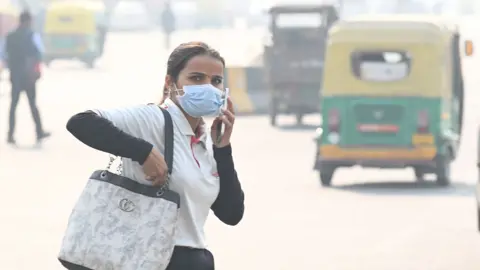
These include smoking and ultraviolet (UV) radiation which can directly damage our DNA; obesity and too little physical activity which alter inflammation and hormones in the body to raise cancer risk; and air pollution which can wake up dormant cancer cells.
The agency's report also looked at nine cancer-causing infections including HPV, hepatitis viruses which lead to liver cancer and the stomach bug H. pylori.
The team used data on cancer cases from 2022 and from the 30 risk factors a decade earlier – across 185 countries - to perform their statistical analysis.
The big three contributors to more than 18 million cancer cases around the world were found to be:
- smoking tobacco which caused 3.3 million cancers
- infections causing 2.3 million cancers
- alcohol use leading to 700,000 cancers
 Getty Images
However, the overall figures mask a nuanced picture of cancer risk around the world.
There is a stark sex-divide with 45% of men's cancers being preventable compared with 30% in women, partly down to higher levels of smoking among men.
In women living in Europe, the top three preventable causes of cancer are smoking, closely followed by infection and then obesity.
While in sub-Saharan Africa, infections dominate and account for nearly 80% of preventable cancers in women.
This means any measures to tackle these cancers would need to be tailored to each region or country.
"This landmark study is a comprehensive assessment of preventable cancer worldwide, incorporating for the first time infectious causes of cancer alongside behavioural, environmental, and occupational risks," said Soerjomataram, the deputy head of the IARC Cancer Surveillance Unit.
"Addressing these preventable causes represents one of the most powerful opportunities to reduce the global cancer burden."
The report, published in the journal Nature Medicine, showed lung cancer (linked to smoking and air pollution) stomach cancer (linked to H. pylori infection) and cervical cancer (linked to HPV infection) made up nearly half of all preventable cases of cancer.
Dr Andre Ilbawi, team lead for cancer control at WHO, said the study was "good news" as it showed something could be done and he pointed to the success of countries that have introduced policies to tackle smoking or vaccinate against HPV.
"The percentage of preventable cancers can change over time and our goal is to get it as close to zero as possible," he said.
