How Bradford City fire transformed burns treatment

 BBC
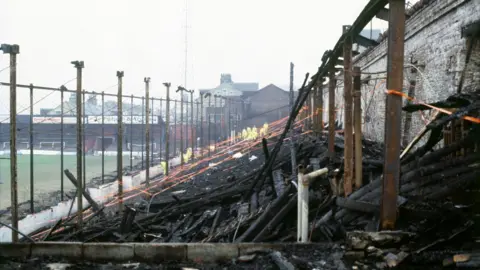
BBCOn 11 May 1985, 56 people lost their lives when a fire broke out at Bradford City's Valley Parade stadium, with more than 250 injured - many of whom suffered severe burns to their hands and arms.
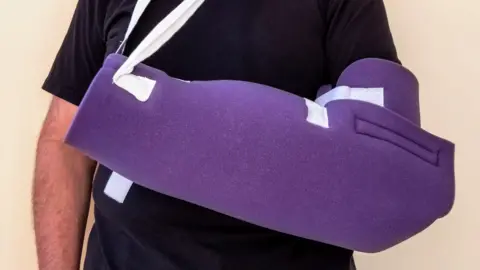
The tragedy led to the creation of a simple but revolutionary piece of equipment, which is still used by burn units around the world today, the Bradford Sling.
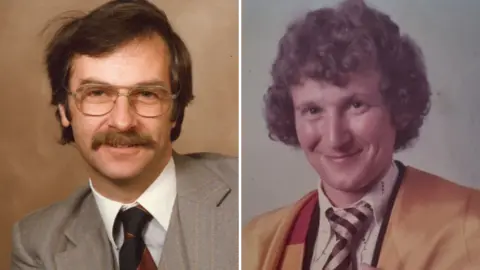
The device was designed by consultant plastic surgeon Prof David Sharpe and engineer Dr John "Jess" Boot to both support and immobilise the arm, helping to protect injured areas and improve recovery following trauma or surgery.
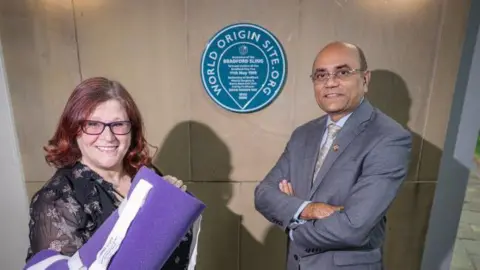
Four decades on, the device has been recognised with Yorkshire's only Green Plaque at the University of Bradford, marking the location as the site of an invention, discovery or world first.
Prof Ajay L Mahajan, consultant plastic surgeon at Bradford Teaching Hospitals NHS Foundation Trust, and director of the Plastic Surgery and Burns Research Unit (PSBRU) explained why there were so many hand injuries after the fire.
"Because the stadium roof was on fire, there was literally melting tar pouring down on the spectators," he said.
"So there were a lot of burns to the top of the heads, but also patients were putting their hands above their heads to protect themselves, which meant that the back of the hands got burned."
 Getty Images
To support healing after a hand injury or operation it is important to keep swelling down, he said, and so the injury must be kept elevated.
"Once the hand swells too much, then movements become difficult, stiffness sets in, and various other things," he said.
"With burns to the hand specifically, when we put a skin graft on, we need to make sure that it doesn't bleed underneath the skin graft. So keeping the hand up helps with that as well."
The traditional method before the fire was putting the hand in a pillowcase cover and hanging that from a drip stand, but the sheer number of patients in need of treatment after the blaze required the hospital to come up with something new.
Sharpe enlisted the help of Boot who supported engineering-led research into skin grafts and related techniques.
Today the Bradford Sling is manufactured by Capatex Medical, which said the foam design disperses pressure, protecting the injured arm from accidental injuries.
 University of Bradford
Sharpe received an OBE for his work with the PSBRU in 1986 and died in March 2023, aged 77, while Boot died aged 77 in 2025
Today the same research unit that developed the sling continues groundbreaking work into burns treatment, including AI research, partially funded because of the sling's patent.
"For quite a long time, whatever proceeds came from the patent went to funding the research work," Mahajan said
But the work is also supported with fundraising.
"The people of Bradford have been amazing - the research unit runs on funds that are raised by the people of Bradford and essentially they have been responsible for keeping us going," he added.
"It's one thing us doing the work, but without them, without their generous donations, we wouldn't have been able to continue."
 University of Bradford
Other Green Plaque locations include St Mary's Hospital in London where Dr Alexander Fleming invented penicillin, and the start and finish of the world's first rail journey in 1826.
World Origin Site founder Martin Wilkie said the Bradford Sling was an "important medical development".
"Now we can help pinpoint not just the city but the place where this important work took place," he said.
Mahajan added: "I think it's a very fitting tribute to David and his work. But also that it has been recognised to that level is just phenomenal."
Listen to highlights from West Yorkshire on BBC Sounds, catch up with the latest episode of Look North.
