Triage system aims to reduce patient numbers in A&E
 BBC
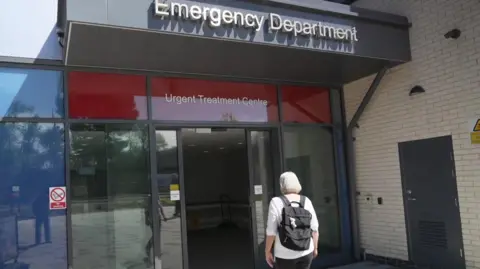
BBCA triage system at a hospital has been set up to reduce the record number of patients being cared for.
On average, 300 patients are seeking help at the Emergency Department of the Royal Bournemouth Hospital every day, and the figure is rising.
To manage the numbers, people who walk in are now being assessed to see if they can be looked after in a different way - that could be on the hospital site or elsewhere.
Patients coming by ambulance will still be taken straight into the department.
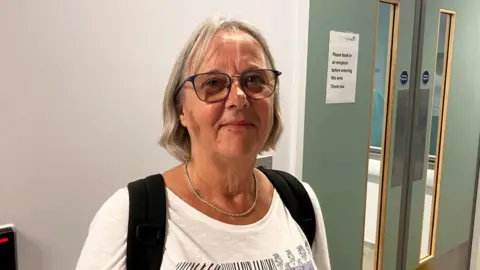
Renate Kennedy fell ill while on holiday in Bournemouth, she walked into A&E and was been given a GP appointment in the Urgent Treatment Centre (UTC) later the same day.
"It's been great for me and that they could make me an appointment with a doctor saved me nine hours waiting. My impression is very good," she said.
University Hospitals Dorset NHS Foundation Trust has seen a steep rise in patients in the Emergency Department.
The trust said it is not sustainable and is hoping the new system will help.
It is estimated that 20% of patients who walk in could be cared for in another way.
During March of 6,258 people made their own way into Bournemouth's A&E, 256 patients were offered alternative care to going into the department.
Matthew Morris is the UTC service manager at University Hospitals Dorset NHS Foundation Trust: "In the main, I think patients really understand. Because at the end of the day nobody really wants to come to the Emergency Department.
"People come because they believe that they need to come and that's where we should be hear to listen to somebody's problem, understand what the issues are and then be able to educate and direct to the right place."
The NHS advises people to attend A&E or call 999 if they have chest pains, signs of stroke, severe breathing difficulties, serious injury or bleeding, or loss of consciousness.
The options for some patients with less serious conditions include appointments in the UTC or being redirected to a GP or pharmacy.
The aim is to free up space in A&E for those who need it most and the trust said the change helps ensure patients get "the right care, in the right place, at the right time".
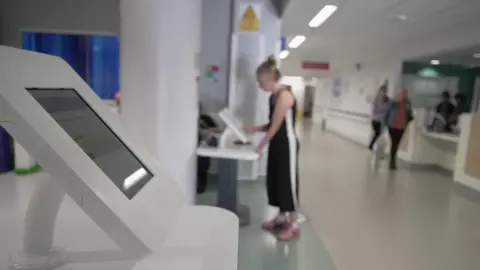
The new system starts with an NHS digital triage tool, such as a computer tablet, where patients are asked a series of questions.
From there staff prioritise, redirect and schedule patients based on clinical need, with support from clinical colleagues where required.
The trust said it helps ensure emergency departments are clear for people with life-threatening emergencies, improve wait-to-be-seen times for people with life-threatening emergencies, help all patients get seen faster with treatment in the most appropriate setting and improve overall patient experience and safety.
The types of conditions where a patient may be redirected include:
- Minor infections or injuries that don't need hospital treatment.
- Medication queries or prescription related issues.
- Flare-ups of stable long-term conditions. Or general health concerns that can be managed by primary care colleagues
Dr Peter Wilson, Chief Medical Officer, said: "This year we have seen record numbers of people attending our emergency departments and patients often waiting a long time to be seen.
"While our teams are working incredibly hard to support our patients, we need to focus on those who need urgent help the most.
"By having this additional support at the front door of the Emergency Department, we hope more people will get the care they need more quickly, allowing our teams to concentrate on providing life-saving care."
The trust said freeing up space is more important now than ever as the new department in Bournemouth is preparing for when Poole Hospital's A&E moves to the site.
When that happens it will be caring for more patients in an environment that is already under intense pressure.
Figures for 2025/26 show that 230,000 patients were treated in the trusts' emergency departments and UTCs and 50,000 were admitted for ongoing care.
You can follow BBC Dorset on Facebook, X, or Instagram.
