Meet the men calling out 'masculinity' trends

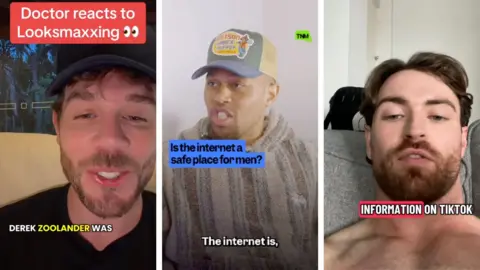 Supplied: drmichaelsays/ therealbenhurst/ brashnutrition
"Hammer your facial bones to chisel your jawlines."
"The only real goal is to get better looking – no matter what it takes."
"Your body is your billboard."
These are suggestions shared online by so-called "masculinity influencers": men who promote what they say are ways to become more masculine.
Some call themselves healthmaxxers – sharing tips on what to eat and working out, while others identify as looksmaxxers, a portmanteau for 'looks maximising', where the aim is to totally "optimise" one's physical appearance.
Many of them share a common vocabulary. "Mogging", for example, means being better looking than another man, and "ascending" is becoming better looking. What counts as good looking is narrowly defined: chiselled facial features and visible muscles are non-negotiables.
Though this may seem like something of an internet niche, young men are paying attention. Almost two-thirds of boys and men aged 16-25 in the UK, US, and Australia regularly watch and read masculinity influencer content, research from the men's mental health charity Movember shows. Some of the most popular UK-based masculinity influencers boast millions of followers online.
But in recent months, a counter-movement has emerged on social media, with health-focused men with expertise and qualifications in nutrition or exercise using their platforms to critique what they describe as "extreme" masculinity trends, like looksmaxxing.
Speaking to the BBC, these counter-influencers admit that fact-checked, evidence-based information can be difficult to make "sexy" on social media.
Here is how they are trying.
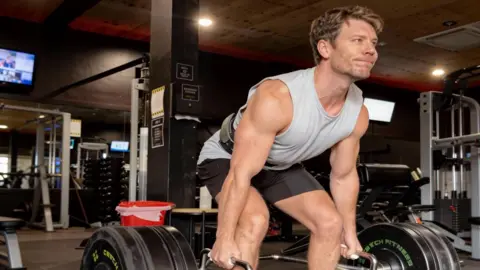 Supplied/ Dr Michael Mrozinski
After spending 15 years as a sports physician and rural doctor, Dr Michael Mrozinski noticed the looksmaxxing phenomenon emerging in the masculinity influencer sphere.
Mrozinski uses his platform to caution his 180,000 followers about the trend, comparing it to a "monster" that has grown "arms and legs".
"It might have started as 'here's my gym routine, here's my skincare routine,'" Mrozinski says. "But now it's turned into 'Here's how I make my cheekbones bigger – by smashing them with a hammer.'"
Bleeding, bruising and soft tissue damage can occur from intentionally causing blunt facial trauma, Mrozinski says, which he calls an "extreme" version of self-improvement.
Looksmaxxing's most influential influencer, who calls himself Clavicular, has half a million followers on Instagram and almost 900,000 on TikTok. His real name is Braden Peters and he's aged 20.
He's promoted bone-smashing as "legit", and claims to have used crystal methamphetamine to lose body fat and steroids to build muscle mass – likening these methods in an interview with Channel 5's Andrew Callaghan to "video game cheat codes" for boosting attractiveness.
He made headlines this month after he appeared to collapse during a video live stream. He was taken to hospital in Miami and has since returned home, sharing in a post on X: "The worst part of tonight was my face descending from the life support mask."
While the search term "bone smashing" is banned on TikTok, 18-24-year-old men are the most common demographic searching variant phrases. TikTok insight data shows they are also the most popular group searching looksmaxxing hacks on the platform, with more than 300,000 searches per day in February and rising to a peak of 1.9 million in late March.
The content that masculinity influencers share can target boys as young as 13, he says, some of whom may not yet have gone through puberty,when their faces and bodies would naturally tend to become more like those of grown men.
'Influencer overreach'
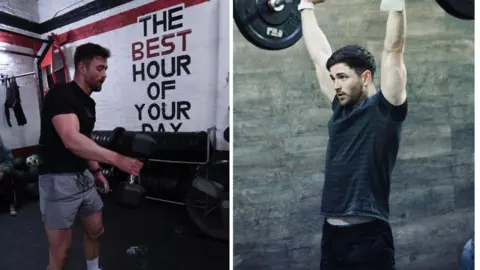 Supplied/ James Brash
James Brash, a registered nutritionist and content creator, tells the BBC that fitness and diet advice are not innately bad – and he isn't discouraging people from trying to be healthier.
"Physical activity is one of the best things that people can do to improve their health, if they are able to," he says.
What he objects to is what he terms "influencer overreach", where those with mass followings share advice backed up by dodgy evidence - or no evidence at all.
Brash does not consider himself an influencer, because he is guided by professional medical standards, rather than clicks, to call out "misinformation".
"It's not sexy because it does not rely on fear or urgency," he says.
Brash has spent the past year posting videos calling out nutrition misinformation largely promoted by wellness influencers.
One influencer he calls out is a man who says "our grandads would be turning in their graves if they had seen what men were like today". He also claims that in the past, men had higher levels of testosterone and were more fertile.
Brash says the video promotes "sexism and homophobia", pushing a very narrow version of "acceptable" masculinity.
In response to the BBC's questions, the influencer says his "comments were not intended to be homophobic".
"They were focused on male endocrine health, not sexuality or identity."
'Society is turning men weaker'
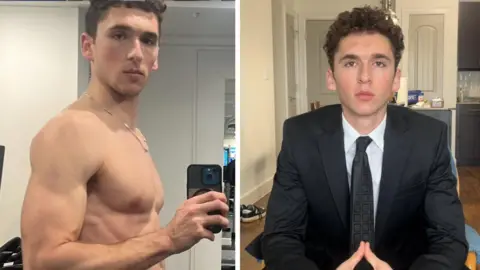 Supplied/ Steven Abelman
Some masculinity influencers see themselves as helping young men who feel lost and are looking for practical guidance on how to feel better about themselves.
Self-proclaimed "healthmaxxer" influencer Steven Abelman says masculinity, rather than looks alone, is the focus of his content, which promotes strict diet, sleep schedules and exercise regimes.
Overstimulation from fast-paced technologies and online gaming is contributing to poor mental and physical health, Abelman believes.
His content largely centres on reaction reels responding to other people's actions and diets – casting judgement over whether they are "optimal" or not.
"Society is turning men weaker and weaker, but what I'm promoting can really strengthen men," the influencer says. "I want to promote more of the primal lifestyles."
Community in health and fitness
 Beyond Equality/ Ben Hurst
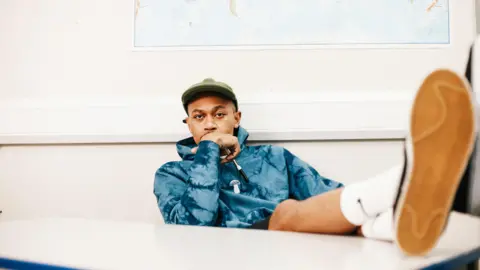
Ben Hurst from Beyond Equality, a UK-based organisation focused on "rethinking masculinities", speaks to young men in schools. He knows they live online, and says it is important he uses his platform to "flood" those spaces with content that could shake up perceptions of mainstream masculinity.
"The beautiful thing about the internet is that there is actually space for everything, right?" Hurst says. "I'd love to see versions of masculinity that are caring, and kind and confident and gentle and loving, and passionate and powerful and strong and dynamic."
He points to personalities such as Rory Bradshaw, who shares videos about teaching yoga in men's prisons as part of his broader mission to combat violence against women and girls.
"These men are pushing the idea of community in health and fitness," says Hurst, "rather than just an individual pursuit of perfection."
Information and support is available from these organisations for eating disorders and mental health issues.
