How first year of music city 'energised' its scene

 The Fire Station
Being part of an international music network has energised a city's music scene with demand for live gigs increasing, independent venues have said.
In January last year, Sunderland became only the second city in the UK to join the Music Cities Network.
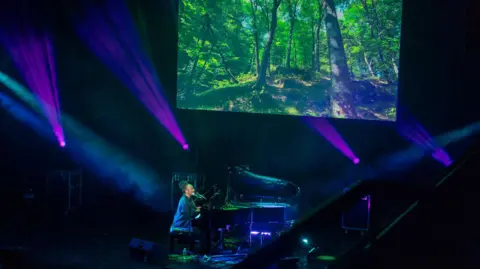
Rhys McKinnell, CEO of Culture Quarter which operates city centre venue The Fire Station, said it had seen a 40% growth over the past year, hosting 220 events and selling about 90,000 tickets.
Kenny Sanger, who runs The Bunker, which provides recording studios and training, also said audiences at gigs had increased and a post-pandemic trend of more people signing up for music lessons had continued.
"There's obviously still work to do but I think it's also created a lot of good feeling, a lot of positivity around the city," he said.
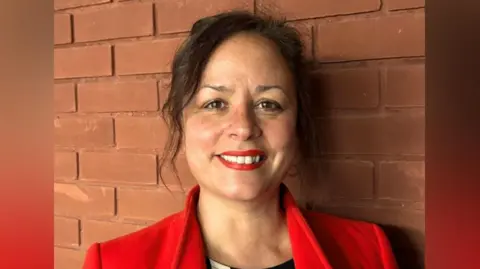
Sunderland Music City CEO Michelle Daurat called it a "game-changer".
"People have actually described it as a movement," she said.
"I think it's brought hope and recognition - platforms and showcasing opportunities for lots of different genres in Sunderland."
 Supplied
The Music Cities Network was established in 2016 and gives members access to collaborative opportunities, resources and advocacy.
Members include Aalborg, Aarhus, Bergen, Berlin, Brussels, Düsseldorf, Gothenburg, Groningen, Hamburg, Manchester, Reykjavik, Sydney, Valencia and Vilnius.
McKinnell said the impact of Sunderland joining had been "profound" and had created a "fantastic buzz".
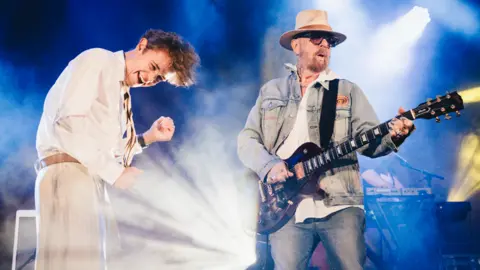
In 2025, The Fire Station hosted homegrown stars Adele Sande (also known as Emeli Sandé) and Franz Ferdinand, who helped launch the city's first Year of Music.
Sunderland artist Tom A. Smith also performed there, with Dave Stewart from Eurythmics joining him on his hometown stage.
"We've had our most successful year," McKinnell said.
"We're a music venue which is actually self-sufficient, which I think in this climate is is pretty remarkable and I think Music City status for the city has played a significant part in that."
 The Fire Station
McKinnell said it had helped by connecting different parts of the music sector in Sunderland, such as artists, studios and venues.
"Music City is more than a status, it's driving an ecosystem that is creating more artists and more gigs and therefore more tickets sold and therefore more independent venues can be supported, more hospitality is enjoyed," he said.
Sanger said being a Music City had generated more energy around the local scene and a real "sense of pride in Sunderland and the music that we produce".
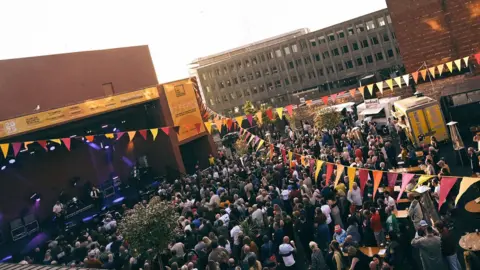
"The Music City team have been hosting a lot of events to celebrate the city and that's really captured the imagination of people who are maybe outside of our local music community, so they might not necessarily go to local gigs that we host but they've taken notice and that positivity can't be ignored," he said.
"It's filtering down."
'Dedicated space'
Graeme Hopper, who has been organising experimental music festival Boundaries in the city since 2021, also noted an uptick in ticket sales for the most recent event in November.
But he said there was a need for smaller venues in the city, which could accommodate local performers and smaller national or international acts.
"There needs to be a space for all," Hopper said.
"For this progress to really stick and grow, Sunderland needs a dedicated, accessible space that can properly support anyone who wants to create, learn and perform at a permanent hub, where artists can develop skills, experiment, rehearse, collaborate and present work."
He said "short-term interests" needed to be turned into "long-term sustainability for the Sunderland music and art scene".
Daurat said work to accomplish Sunderland Music City's five-year strategy, which was announced in 2025, continued.
It focused on spaces as well as education and career progression.
"We want people to realise and acknowledge that going into music, whether that's singing, playing an instrument, being a technician backstage, is a viable career option and there's lots of help to help you realise that ambition," she said.
"We want girls and women and older people to get involved in music as it's sometimes seen as something for young lads. We want it to be as diverse in terms of genre, but also in terms of musicians, as possible."
 Thomas Jackson
In May, the city will host Radio 1's Big Weekend after last welcoming the event in 2005.
Award shows have been recently branching out of London, with the Mercury Prize and the MOBO Awards taking place in Newcastle last year and Manchester preparing to hold the Brits next month.
Daurat said it would be great to see more big events coming to Sunderland.
"We've got the infrastructure, we've got the expertise, we've got the musicians," she said.
"We've done it before, we've done it really well. We'd like to see more of that and I'm sure the people of Sunderland would love to see that too."
