Shetland communities back call for faulty Viking gene screening

 Getty Images
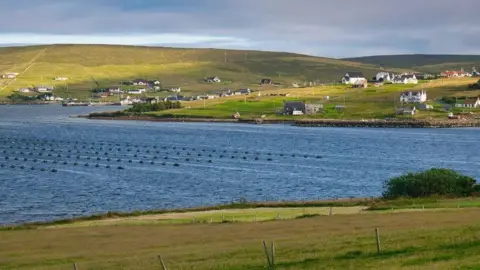
Every community in Shetland has backed calls for an islands-wide project to screen for a faulty gene which can increase the risk of a series of life-threatening conditions.
Experts believe the gene - which has been linked to a number of cancers - was introduced to Shetland by a family living on the island of Whalsay before 1750.
The Viking Genes Shetland Community Screening Project has now received the backing of every Shetland parish and isle through the support of all 18 island community councils.
The ultimate project aim is to become the first part of Scotland to be genetically screened as part of a preventative healthcare campaign.
The screening would identify individuals with a heightened genetic risk of diseases including breast, ovarian and prostate cancer, and heart rhythm disorder.
It is hoped it will become available to those over 16 and will be aimed at identifying residents at risk before symptoms develop.
It would allow preventative treatment to be sought, with the ultimate aim being to save lives.
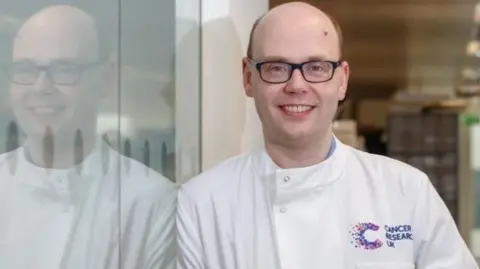
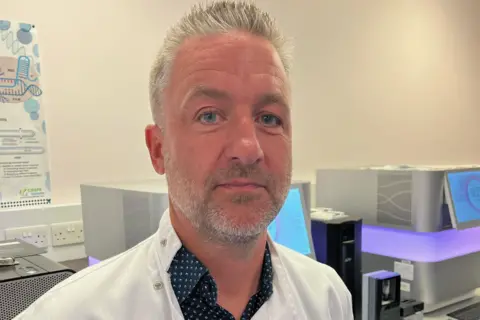
Prof Jim Wilson of the University of Edinburgh has been leading the BRCA gene variant research.
He hopes that funding bodies will take note of the strength of feeling now shown by the Shetland communities unanimously backing screening.
"I'm delighted at the unanimous support from across Shetland, which shows the strong commitment to getting the community screening project going," he said.
"Shetlanders are now aware that they are at higher risk of disease and are pressing for a bespoke approach to reduce this health inequality through preventative genetic screening.
"This will save lives and save the NHS money in the long term - a great benefit to the community."
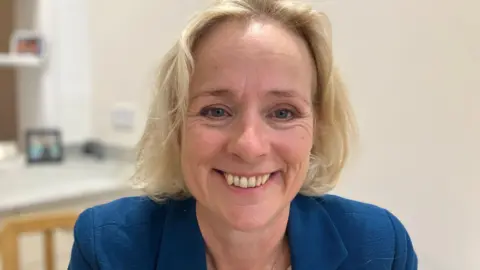
Shetland MSP Beatrice Wishart said she was "encouraged" by the project.
"We already know that there are genetic predispositions within the Shetland community," she said.
"Screening will have long term value with future generations benefiting from preventative action and medicine."
The project also has the support of NHS Shetland.
Health board chairman Gary Robinson describing the prospects as "really exciting" with a "phenomenal" potential for early detection.