Inside one of the world's largest refugee camps

 JOA
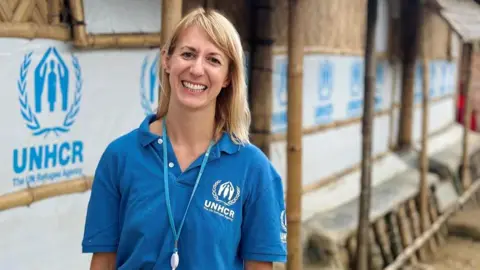
JOAA Jersey woman has shared her experience of working with the UN Refugee Agency (UNHCR) in one of the world's largest refugee camps.
Amber Mezbourian started her role as a UN Junior Professional Officer in Cox's Bazar in Bangladesh at the beginning of 2025.
The role is sponsored by Jersey Overseas Aid (JOA) as part of its work with the UN on international aid and development.
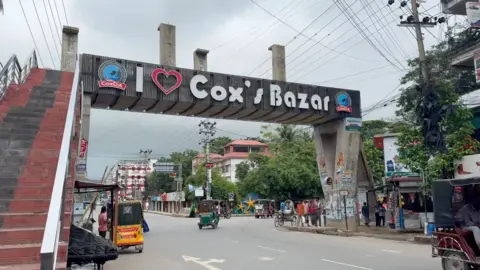
More than one million Rohingya people live in the region after they fled to neighbouring Bangladesh following an army crackdown in Myanmar in 2017.
 UNHCR
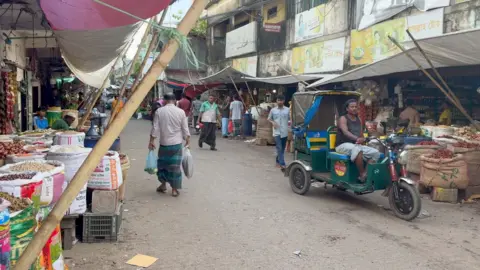
UNHCRMezbourian said "refugees are tightly packed into an area nearly five times smaller than Jersey" and "the conflict in Myanmar still makes it impossible to go back and life in the camps is really challenging".
She added: "People live in very crowded conditions close together in shelters made from bamboo and tarpaulin with thin walls and no way to regulate the heat.
"UNHCR and many other organisations are here to support refugees where they can and ensure that the Rohingyas can find safety dignity and hope."
Mezbourian visits the refugee camps and her role involves tasks from developing talking points and briefing notes for high-level meetings to compiling reports and coordinating donor visits.
 UNHCR
UNHCRShe also helps those refugees at Bhasan Char which was built by the Bangladesh government to deal with the overcrowding in Cox's Bazar.
The UNHCR and its partners have been helping those on the small island off the coast of Bangladesh since 2021.
Mezbourian said: "One of the first things that struck me when I arrived in Basan Char was the sense of space.
"The orderly streets and grid system layout is a huge contrast to the chaos and overcrowding of the camps in Cox's Bazar."
She added: "However, it can feel isolated with many refugees separated from family members back in Cox's Bazar".
 UNHCR
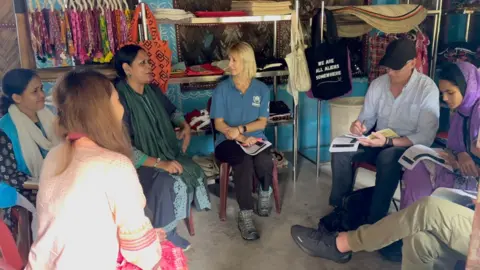
UNHCRMezbourian has visited a space for women and girls at Bhasan Char and said it had been "really inspirational".
"The women and the girls come here every day to do activities like sewing, art, dancing and learning about their rights," she said.
The JOA said the Rohingya, who it has been supporting for five years, were an ethnic minority who had been denied citizenship in Myanmar and "faced decades of persecution".
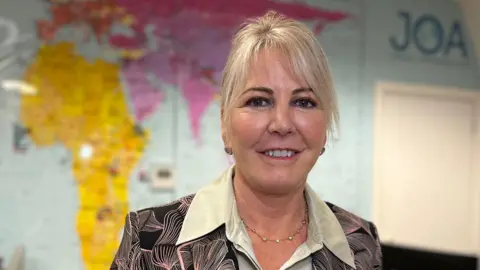
The funding from the JOA for the programme started in 2021 and it has sponsored five people into UNHCR roles around the world.
JOA chairwoman Deputy Carolyn Labey said the work of people like Mezbourian puts Jersey in a positive light in the international community.
She said: "I think it's something all islanders should be incredibly proud of... it helps and supports really, really important humanitarian work."
Labey added: "We're up there with the other 19 countries like Australia, Canada, Denmark, and Norway that support this scheme so there we are little old Jersey playing with the big boys."
Follow BBC Jersey on X and Facebook. Send your story ideas to channel.islands@bbc.co.uk.
