Telepresence

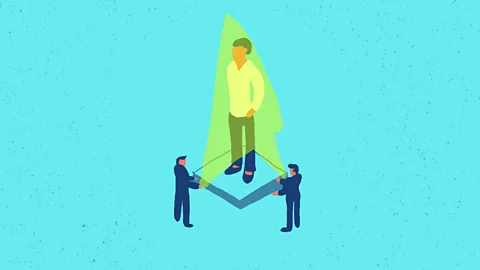 Piero Zagami and Michela Nicchiotti
Working from afar? A robot may take your place in meetings.
In many ways, the internet erases distances. We’re used to buying things from shops thousands of miles away, and chatting to people the other side of the world. But for the most part we still live near where we work. As video-links and telerobotics improve, that’s set to change.
Telepresence – being virtually present in a far-off location via screen, hologram or remote-controlled robot – is going to upend who does what jobs where and when, far sooner than robots, which are still too clunky to do many interesting tasks automatically. Rather than giving a robot the smarts to do a task by itself, it’s easier to let someone guide a dumb robot from afar.
We've already seen skilled surgeons perform operations by controlling surgical tools remotely. Apply that idea across workplaces, and factory workers in the US will soon be replaced by factory workers in India, who will operate machines remotely without needing to cross borders.
As video link-ups get better, teachers and managers will also be able to interact with colleagues thousands of miles away. Robots with screens on their heads showing the face of the remote individual are becoming more common in meeting rooms and conferences.
This could upend local economies, no longer placing constraints on where people live in relation to where they work. And businesses anywhere in the world can have access to skills and expertise by remote link-up. On the flip-side, what of the rights of virtual gig workers? Will an employee working remotely from India receive the same benefits as her US colleagues? Forget robots shaking up the workplace. Your next boss might be commuting from the other side of the world – if they’re not already.
This is one of the 101 indispensable things you need to know about work today. Click here to see the rest.
Image credit: Piero Zagami and Michela Nicchiotti.
