Hirune

 Piero Zagami and Michela Nicchiotti
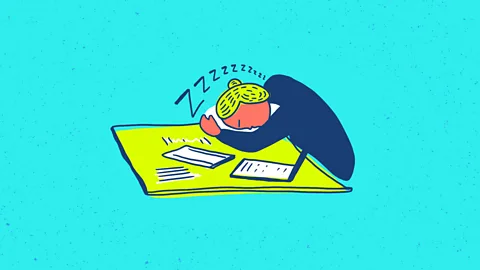
Companies can improve employees’ performance at work by monitoring their sleeping habits. Here’s how providing napping facilities during lunch breaks could solve chronic sleeping problems.
In the era of deaths from overwork, companies want to improve employee productivity – and being able to sleep during lunch breaks could be the answer to solving this chronic health issue.
Can supplying unused conference rooms with beds and filling them with strong scents of aromatic lavender oil help aid employees to sleep during lunchtime? In Japan, where drifting off in public has become synonymous with exhausted workers, companies have begun taking matters into their own hands by encouraging employees to go for a ‘hirune’ – which literally translates as “lunchtime sleep”.
Experts define hirune as a conscious effort to rest within a short space of time. By adopting this in the workplace, employees could effectively switch between business and break times, which overall contributes to a better working environment.
With the added help of gadgets and products designed for better sleep, encouraging employees to input their daily sleeping habits will build data that could help determine the effectiveness of hirune for working adults. And if there are no facilities in the office, snoozing by your desk might not be seen as a sign of laziness in years to come.
This is one of the 101 indispensable things you need to know about work today. Click here to see the rest.
Image credit: Piero Zagami and Michela Nicchiotti.
