Essentialism

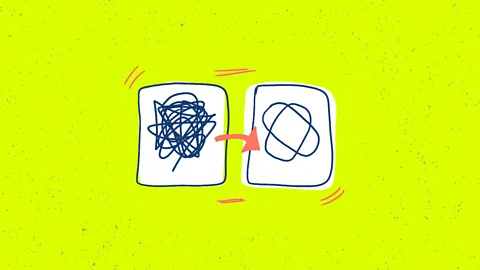
Marie Kondo taught us to reorganise our space – but could her philosophy of mindful minimalism be applied to our professional lives too?
Marie Kondo created a self-help phenomenon with her philosophy of mindful minimalism – throwing away non-essential household items that no longer ‘spark joy’ – through her best-selling books and Emmy-nominated Netflix show. People the world over have reassessed how they organise their spaces and, more importantly, how to use “no” as a way to curb excess. But could this concept be applied to the workplace?
Greg McKeown, author of Essentialism: The Disciplined Pursuit of Less, certainly thinks so. He believes we waste hours on trivial, even detrimental tasks in our professional lives – and should prioritise efforts that actually yield something meaningful. “Essentialism is not about how to get more things done,” McKeown says. “It’s about how to get the right things done. It’s about the wisest possible investment of your time and energy.”
The ‘essentialist’ gospel tells us to explore the critical projects that we want to pursue, eliminate the rest and establish a platform for constant inspection of our successes and failures. By understanding our own goals and skills, McKeown argues we can more effectively say “no”, leading to reduced job stress, better quality work and fewer wasted hours.
While this philosophy might seem best-suited to managers with the structural freedom to deny requests from their boss and reorient their own workflow, unlike certain jobs in service industries or on the factory floor, McKeown says the idea is meant for everyone. By narrowing our efforts and focusing on only the most useful tasks, perhaps we can bring the KonMari method into the office.
This is one of the 101 indispensable things you need to know about work today. Click here to see the rest.
Image credit: Piero Zagami and Michela Nicchiotti.
