Hyper-surveillance

 Piero Zagami and Michela Nicchiotti
Some companies already deploy a raft of new technologies to monitor workers. But how much worse could it get – and how will it affect employees’ wellbeing?
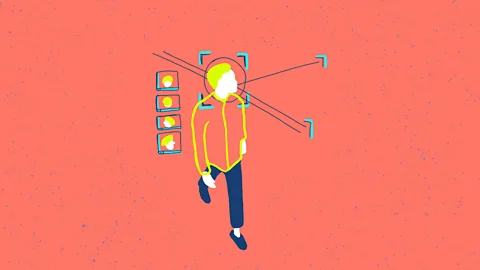
As the gig economy booms, smarter snooping technology is putting workers under increased surveillance – and stress – at work. Construction workers are clocking on using their fingerprints, and office workers’ toilet breaks and timesheets are under scrutiny. Employers seeking better productivity can monitor workers’ internet use, emails and messaging.
Workers say they find such surveillance stressful, and experts warn that continuous monitoring could harm the working population mentally and physically. Yet a report by the Royal Society for the encouragement of Arts, Manufactures and Commerce predicts the situation could become more extreme.
It examined various scenarios around what work might look like in 2035. In one, dubbed the precision economy, gig working patterns would be the norm and advanced technology would allow firms to track staff activity, including time spent inactive and sales conversions, with data being used to reward or punish them. Such changes would hit the poorest and oldest hardest, experts predict; affluence would likely afford you more job security and better working conditions.
To avoid this Orwellian scenario, report author Asheem Singh believes we need a 21st Century safety net and a rethink of human rights legislation for the surveillance era, so that we can limit the creeping omnipresence of Big Brother Inc.
This is one of the 101 indispensable things you need to know about work today. Click here to see the rest.
Image credit: Piero Zagami and Michela Nicchiotti.
