Hidden disabilities

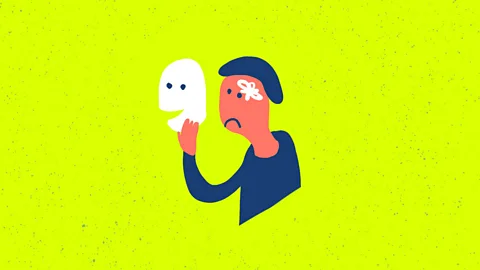 Piero Zagami and Michela Nicchiotti
Some 700 million people have dyslexia – but innovation in website design and devices like smart pens could make workplaces more accessible.
One billion people worldwide experience some form of disability – that’s around 15% of the planet. This is a staggering figure, and potentially a whole army of under-used workers who could be contributing more to the global economy. Two out of three of this group have ‘hidden disabilities’, such as dyslexia (often used as a catch-all for any form of language-based learning difficulty). Dyslexia takes away someone’s ability to read quickly and automatically, and retrieve spoken words. Although difficult to pinpoint accurately, Dyslexia and Literacy International suggest around 700 million people have dyslexia.
But working conditions for those with hidden disabilities may be looking up, especially as the increasing number of digital work environments grow. The first step is adapting online material to better equip this sizeable chunk of workers. For instance, user-experience design is seizing the moment to make websites more universally accessible. This could mean enabling users to change the contrast between background and text, making content much easier to read, or ensuring text in italics or capitals is minimised and layouts made simpler.
Meanwhile apps and devices such as smart pens that convert text to spoken word are also becoming more common. Some organisations offer them to support workers with reading difficulties in professions like nursing, the fire service and the police force.
This is one of the 101 indispensable things you need to know about work today. Click here to see the rest.
Image credit: Piero Zagami and Michela Nicchiotti.
