A new trade on the ancient Silk Route

 Himanshu Khagta
Once a thriving trade route with Tibet, today the Johar Valley is home to a new type of commerce: a bizarre caterpillar fungus that can fetch more than $20,000 per kilo.
 Himanshu Khagta
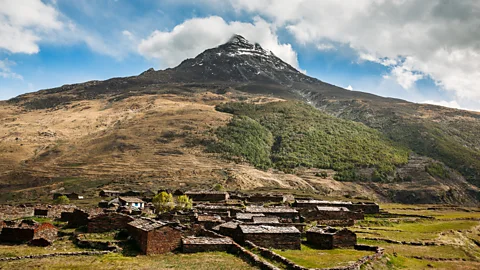
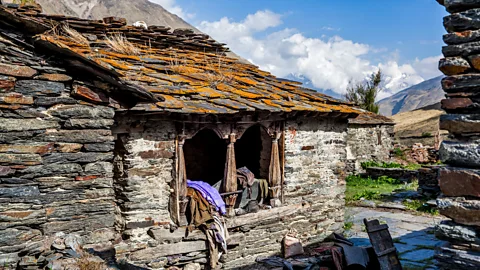
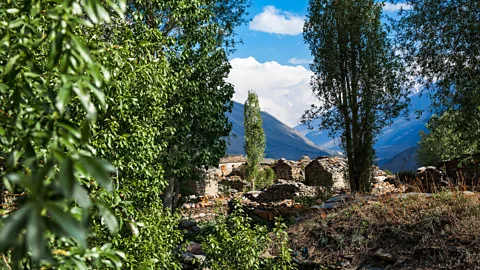
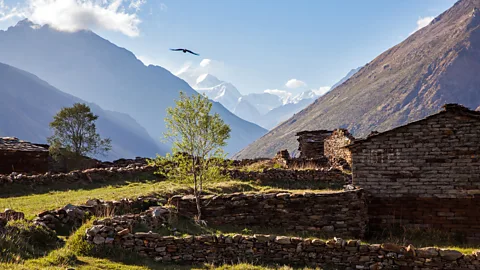
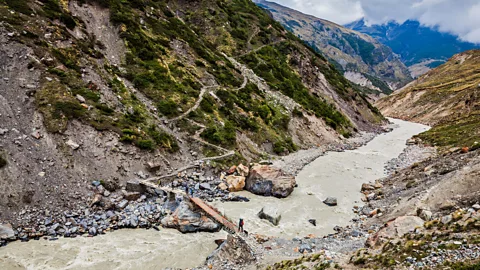
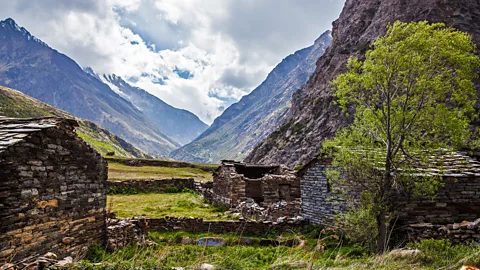
Scattered across a remote Western Himalayan valley on the ancient Silk Route to China are six ancient Indian villages that have lain abandoned for more than half a century. Although they might look nondescript, these mountain houses with broken walls and crumpled roofs share a glorious past – and an ambiguous future.
 Himanshu Khagta
Located just 20km from the Tibetan border, the Johar Valley was once a major trade route. Shauka tribesmen, traditionally farmers and shepherds in this area, became successful and prosperous merchants, travelling more than 1,500km east to Kolkata to procure silk, spices and other goods to trade with Tibet.
 Himanshu Khagta
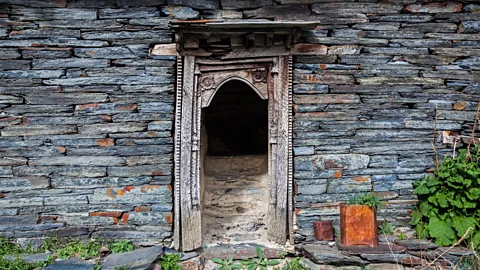
At their peak in the early 1900s, these villages flourished with wealth and prosperity. They had hotels and restaurants to host weary travellers, and their huge stone houses had slate roofs and intricately carved window and doorframes.
 Himanshu Khagta
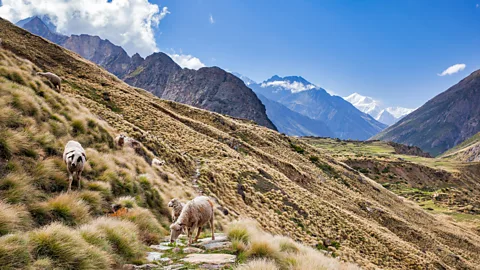
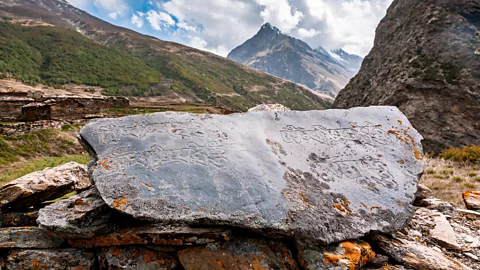
Tibetan traders would make the journey in reverse through high-altitude passes on narrow trails with their yaks and other livestock to reach Milam, the first village on the Indian side of the border, where they would trade wool, salt and precious stones.
Stones engraved with Tibetan text are commonly found in the abandoned villages, testament to this thriving trade route.
 Himanshu Khagta
Milam, once a trade hub with 400 families, was so big that it’s said that newlywed brides, after fetching water from the nearby springs, would often lose their way in the maze-like alleys and end up in the wrong house.
Legend has it that there’s a spot on the cliff above the village, still marked by a flag, from where people would loudly call the lost women and give them directions.
 Himanshu Khagta
India’s border disputes with China led to the Sino-Indian War in 1962. After a series of failed dialogues between the two countries, the borders were sealed and platoons of Indian soldiers were deployed in the Johar Valley. The villages were evacuated and the Shaukas moved to lower areas where they were offered land and jobs in the government. Trade with Tibet came to an end.
 Himanshu Khagta
The valley finally reopened in 1994, but with strict rules. Even today, after about 60 years of peace on the border, all visitors are carefully monitored for a fear of them being Chinese spies, with bags searched and cameras checked.
Travellers require a permit along with approval from the Indo Tibet Border Police and clearance from the forest department. Milam – the biggest Indo Tibet Border Police post with a large helipad – is the furthest anyone can go, and no one is allowed to cross the border.
 Himanshu Khagta
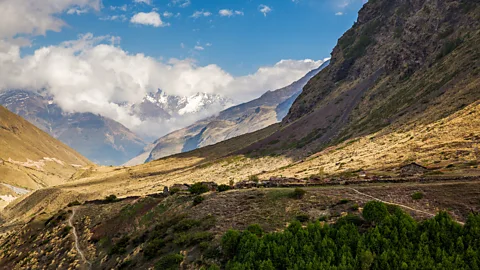
Despite the complex permissions process, Johar Valley is becoming popular among hikers, with many challenging trails through the high-altitude passes.
 Himanshu Khagta
Two of the abandoned villages, Panchu and Ghangar, are the starting point of a 6km-long trek to the base camp of Nanda Devi, India’s second highest mountain at 7,816m. With many unclimbed peaks in the region, the valley is a magnet for experienced climbers.
 Himanshu Khagta
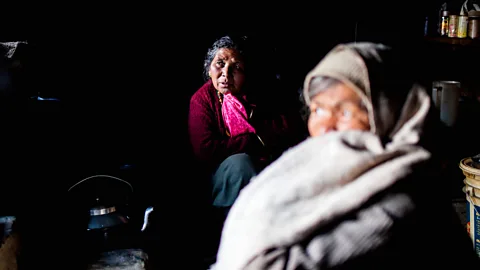
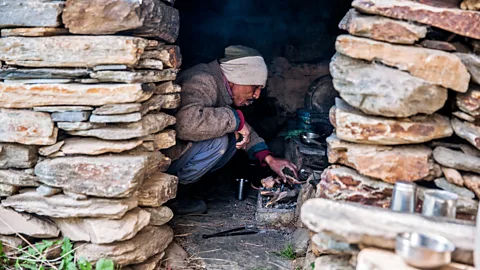
Although the wealthy Shauka traders moved down the mountain decades ago, some of their descendants are returning to rebuild the ruined homes. However, it’s an expensive job as construction materials have to be transported by mule from the nearest town around 60km away. Many families just camp in the derelict homes during the warmer months.
 Himanshu Khagta
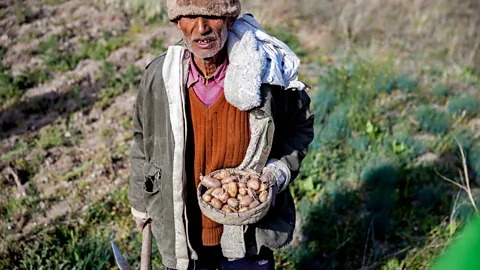
With not much employment in the region, it’s mostly a simple life where people grow their own vegetables and earn a little money by selling them to the soldiers. There’s no electricity and the handful of residents rely on solar power and firewood from the valley’s birch forests. Their livestock, which could once cross over to the border, must now stay on the Indian side.
 Himanshu Khagta
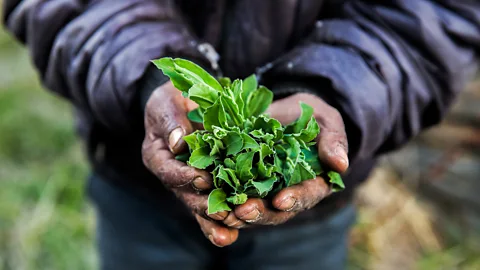
Many edible plants grow in the herb-rich meadows surrounding the villages; wild spinach and wild fern are local delicacies, which the Shauka cook with oil and spices and eat with rice or roti.
 Himanshu Khagta
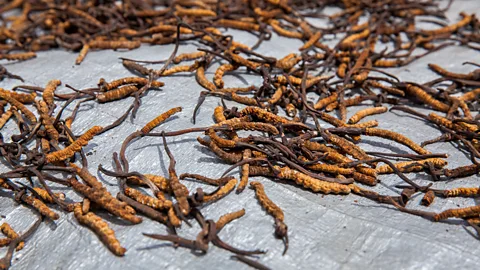
About a decade ago, a very rare fungus was discovered in the high-altitude valley. Commonly known as Yarsagumba, or caterpillar fungus, the unique insect-fungus fusion is famous in traditional Chinese medicine for its supposed libido-boosting powers as well as a remedy to cure lung- and kidney-related diseases.
Only found in May and June after the snow melts in the higher regions of the Himalayas, 1kg of Yarsagumba can fetch more than US$20,000.
 Himanshu Khagta
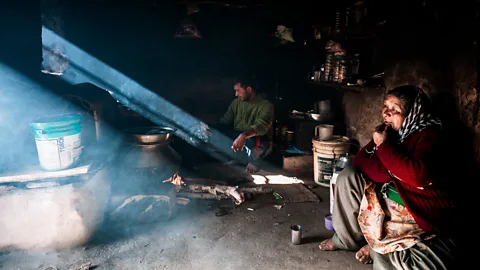
Although the trade of Yarsagumba is illegal in India, some Shauka are using these villages as a base camp for their fungi expeditions. For many, this chance of making a quick buck is the only reason to return to their homeland. Although it’s potentially financially lucrative, the fungus is also becoming a curse, with clashes over the right to collect the fungus and villagers fighting to protect their turf from outsiders.
 Himanshu Khagta
Though tourism and herb gathering is starting to bring life back to these villages, it is highly unlikely that majority of the Shaukas will return. Work to connect the Johar Valley with a motorable road is in progress, but due to the tough terrain and long and harsh winters, it may take many years to complete.
Until then the valley will continue to lure young Shaukas looking to make some fast money and adventure seekers looking for untouched Himalayan wilderness.
