Toya Boudy's Yakamein: A New Orleans' noodle soup

 Sam Hanna
It's a comforting bowl filled with spicy noodles steeped in beef or chicken broth, Worcestershire and soy sauce, ketchup, and sometimes, hot sauce.
While it's typically foods like gumbo, charbroiled oysters, po'boys and jambalaya that lure people to New Orleans, lesser known yakamein has been a hot bowl of local comfort for decades. In Baltimore, it's called yat gaw mein, known colloquially as "dirty yak", a brown gravy-based udon noodle dish often mixed with shrimp and found at Chinese takeouts. Throughout the Tidewater region of Virginia, restaurants make a ketchup-based version called yock.
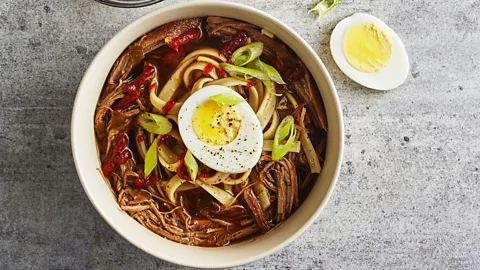
But in New Orleans, the dish's birthplace, yakamein is a street-food staple worthy of more attention. It's a delicious bowl, carry-out box or Styrofoam cup stuffed with spicy spaghetti steeped in beef or chicken broth, Worcestershire and soy sauce, ketchup, and sometimes, hot sauce. The soupy dish also has meat (usually beef, chicken, pork or seafood), is generously spiced with creole seasoning (a blend of paprika, salt, black pepper, onion powder, cayenne pepper, oregano and thyme) served over spaghetti and garnished with green onions and a hard-boiled egg. Depending on preference, yakamein can be topped with a bit of extra hot sauce or ketchup for a finishing touch.
Its mysterious origins aren't traceable to a documented recipe, though. Instead, the dish has been kept alive through generations of home cooks such as local legend Ms Linda Green, known as "the Yakamein Lady", who learned to cook the dish from her great-grandmother's never-written recipe and sells it out of the back of her pick-up truck at local events and festivals.
Some believe that yakamein was brought to the city by Black soldiers who fought in the Korean War and then came home and recreated the noodle dishes they grew to love overseas. Another explanation is that it was born in New Orleans' now-defunct Chinatown by Chinese immigrants who came to work on Louisiana's sugar plantations in the 1870s and "Creolised" their noodle soup to serve local African American clientele. Disputed history aside, yakamein is – much like the city itself – a melting pot of different cultures that came together to create something brand new.
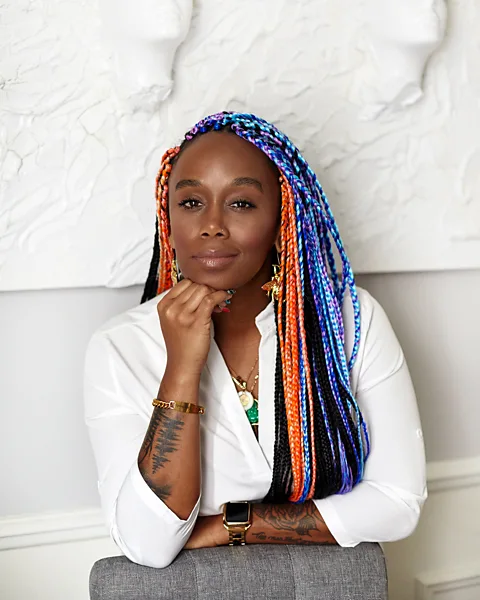
For chef, author and artist Toya Boudy and many New Orleanians, yakamein is a beloved dish slurped from mom-and-pop-style corner stores, street vendors during a Second Line parade, or family kitchens with coveted generational versions of the recipe. Boudy remembers one of the first times she had the dish, as well as her early cooking roots.
"The first time I enjoyed yakamein, it was from a corner store. The corner stores here throw down. That's where I first started cooking, so I trust them," she said. Her mum also often made yakamein for her father, who loved it, but Boudy is sure to uplift the gender role-less home she grew up in, where both of her parents cooked, finding time in between multiple laborious jobs to make family meals from scratch.
 Sam Hanna
Boudy speaks to the blending of Black and Asian cultures by comparing the dish to Vietnamese pho, but with more flavour and oomph, like a lot of New Orleanian food. She describes yakamein as full of body.
"A lot of places you go to try food, you're tasting quality ingredients, but here you get flavour." The chef jokes (but in the most serious way) that she wants her food, which she equates to an edible hug, to be so good that someone wants to take their shoes off to enjoy it fully.
To make a good pot of yakamein even better, Boudy recommends adding extra green onions (scallions) and using a heavy hand on the Worcestershire sauce for a tangier feel. The chef's recipe also brings an added flair by using sriracha ketchup. For Boudy, yakamein is easily one of the best gathering dishes, perfect for bringing people together.
"I like showing people meals that put them in a position where they really feel like they can entertain. It's really about congregating together and being together."
Although she appreciates made-from-scratch dishes, Boudy acknowledges that life gets busy for everyone. So, she encourages us to remember mise en place (the French technique to prep all ingredients before cooking), buy pre-chopped vegetables and read any recipe three times before turning on the stove.
Boudy's second book, Cooking for the Culture, releases on 7 February (in the US). It's an intimate cookbook that's also part memoir full of personal stories – from school-age education woes to her teenage journey into motherhood – that mirrors the richness of the recipes, pulling readers into a warm celebration of New Orleans' culture and Black culture.
 Sam Hanna
By Toya Boudy
(serves 10)
Ingredients
1 (2½-to 3lb) (1.1 to 1.3kg) boneless chuck or eye of round roast (beef)
8 to 9 cups water
3 tbsp beef bouillon
2 tsp Cajun seasoning
½ to ⅔ cup soy sauce, plus more to taste
1 tbsp sriracha ketchup
1 tbsp Worcestershire sauce
1 (1lb) (0.45kg) package of spaghetti, cooked according to package directions
1 bunch scallions, trimmed and sliced
5 hard-boiled eggs, cut in half
hot sauce (optional)
Step 1
Place the beef in a large stockpot. Cover with the water and bouillon, then add the Cajun seasoning. Place over medium-high heat, bring to a simmer, then reduce the heat to low and simmer for three to four hours, until the beef is tender. Remove the beef to a large bowl and allow the beef and stock to cool for 20 to 30 minutes.
Step 2
Shred or chop the cooled beef, discarding any large chunks of fat. Skim off the fat from the top of the stock. Add the soy sauce, ketchup, Worcestershire sauce and hot sauce to the stock, tasting as you go and adjusting the seasonings if needed. When you're ready to serve, reheat the skimmed stock over medium heat until simmering.
Step 3
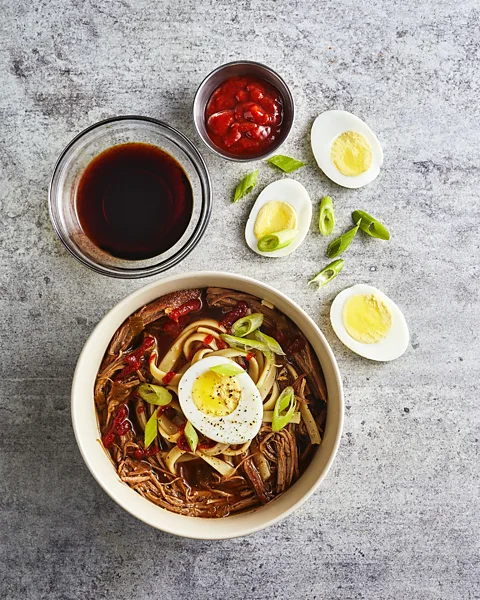
To serve, divide the spaghetti and meat among 10 bowls. Top each with scallions and half an egg, then ladle some stock over the top. Serve with hot sauce or ketchup.
BBC.com's World's Table "smashes the kitchen ceiling" by changing the way the world thinks about food, through the past, present and future.
---
Join more than three million BBC Travel fans by liking us on Facebook, or follow us on Twitter and Instagram.
If you liked this story, sign up for the weekly bbc.com features newsletter called "The Essential List". A handpicked selection of stories from BBC Future, Culture, Worklife and Travel, delivered to your inbox every Friday.
