How Paris got a taste for second-hand style from Africa

 Alexandre Bancharel
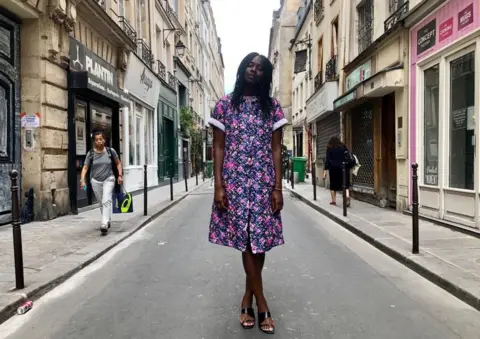
Unloved cast-offs sent to Togo's markets by charity shops in Europe are given a second life by a canny vintage dealer in Paris.
"They're sending them to Africa and most of it we don't need here - like coats and furs. I select it with my guys, send it back to Europe and we sell it," says Amah Ayivi.
Much of it is unsold stock of charity shop donations, costing less than $1 (£0.81) each.
"Mostly what I want, people don't buy," says Mr Ayivi.
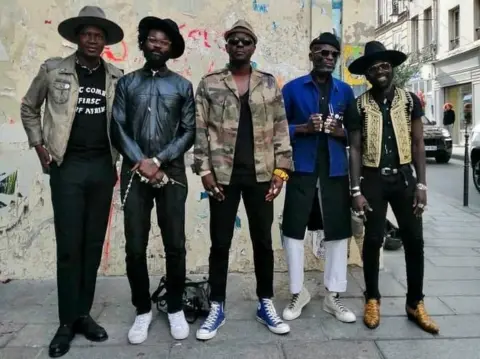
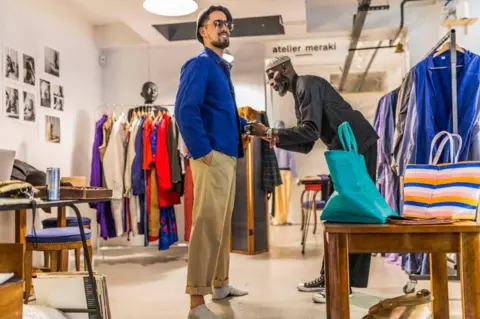
Yet some pieces will go on to sell for as much as 200 euros ($220; £178) at his Marché Noir concept store in the French capital.
 Amah Ayivi
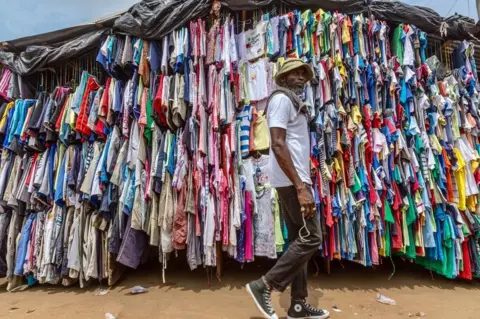
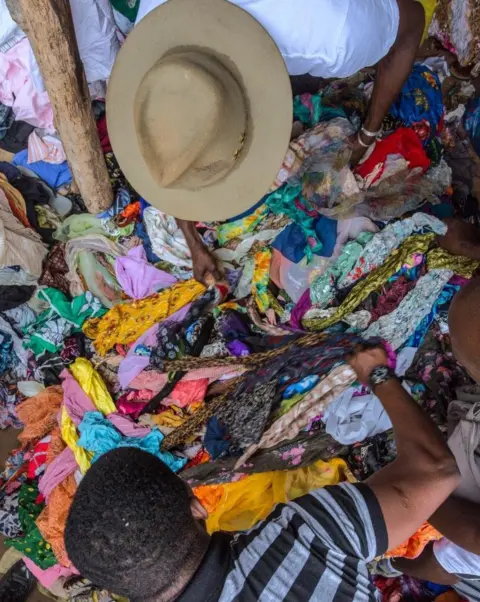
Most items are sourced from Grand Marché de Hedzranawoe, a major hub for the trade in used clothing in Togo's capital, Lomé.
Mr Ayivi, who has lived in France since the age of 12, spent his early years in Togo, where he returns several times a year to buy stock.
He says he ships a staggering four tonnes of clothing back to Europe each time.
 Andrew Esiebo
 Andrew Esiebo
 Andrew Esiebo
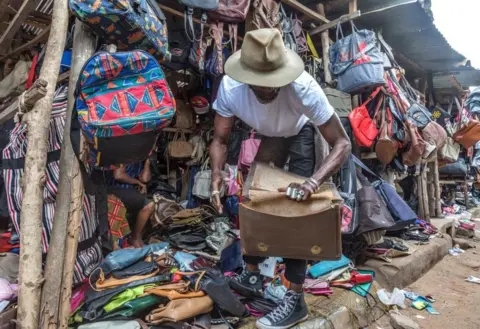
"On the floor you always find treasures," says Mr Ayivi.
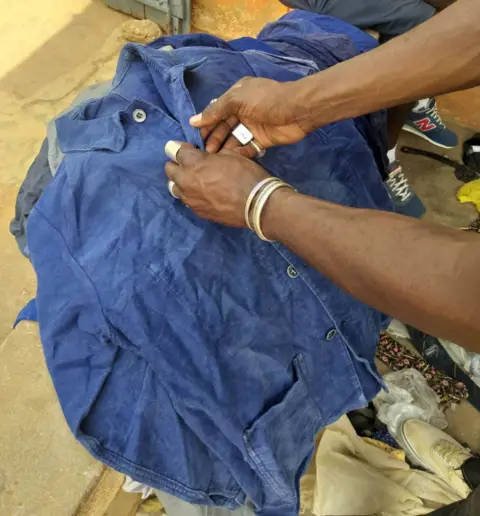
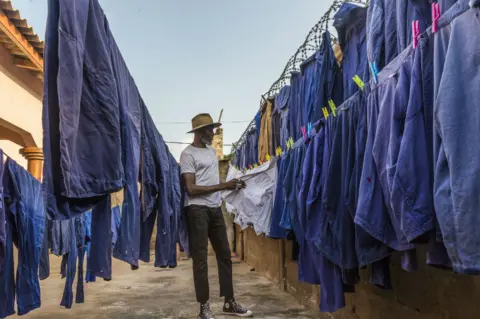
"The garment I'm buying mostly is the blue worker jacket because it's something that you can wear all the time."
 Ijeoma Ndukwe
 Andrew Esiebo
 Andrew Esiebo
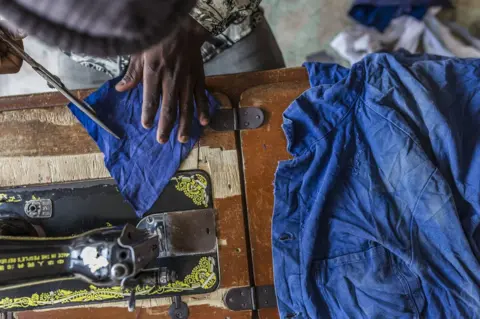
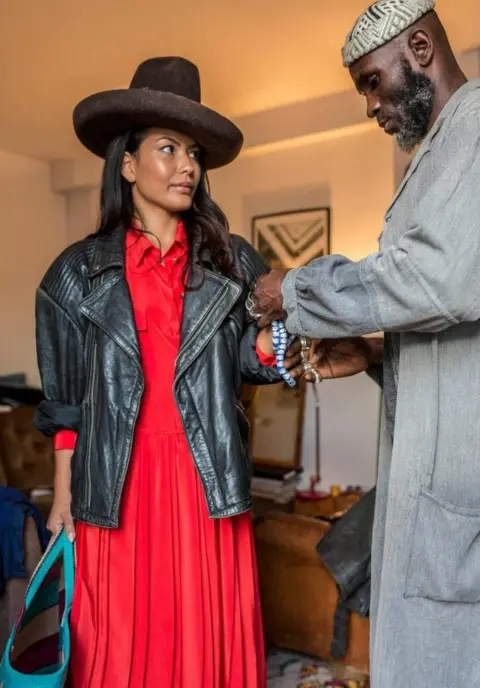
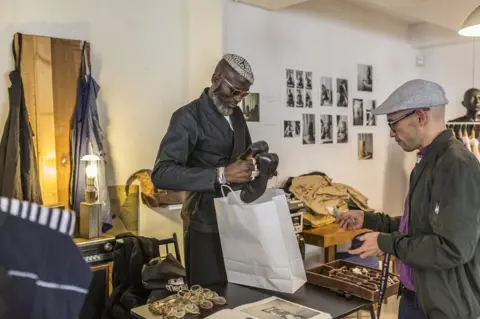
Items are cleaned, restored and sometimes customised before they go on sale in Paris.
Customers say they like the "unique" clothes and "global outlook", says Mr Ayivi.
"We try with style not to educate, but to show people what you can do with what you have.
"Give it to me and I'll show you how to wear it without buying another one."
 Andrew Esiebo
 Andrew Esiebo
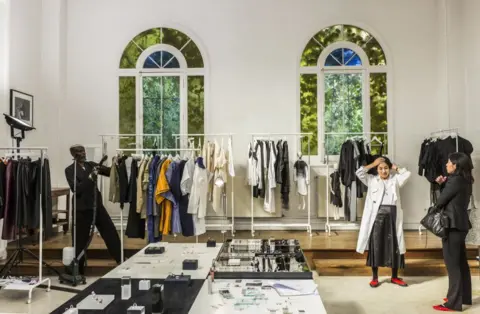
Consumers are increasingly asking about the sustainability of the fashion industry - which experts say is the second-biggest polluter of water globally.
Perhaps Mr Ayivi's concept of repackaging African chic from European cast-offs is one antidote for fast fashion.
 Andrew Esiebo
 Andrew Esiebo
Images courtesy of Alexandre Bancharel, Amah Ayivi, Andrew Esiebo and Ijeoma Ndukwe.
