Nigeria's Egungun festival: Colour, culture and community
BBC
Nigeria’s annual Egungun festival is a centuries old Yoruba tradition, and one of the most colourful cultural celebrations in West and Central Africa.
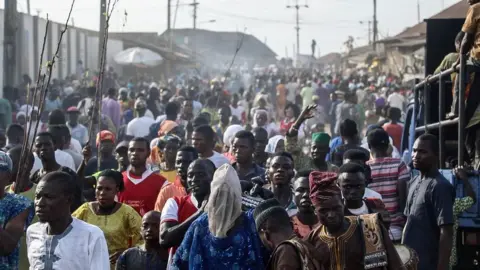
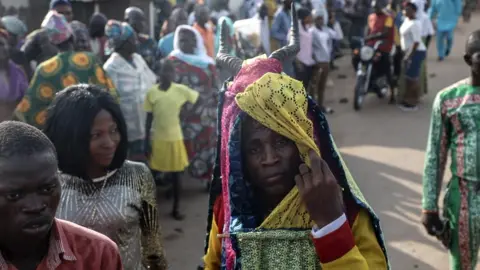
The streets of the town of Iwo in south-west Nigeria are flooded with crowds in late August, towards the end of the rainy season.
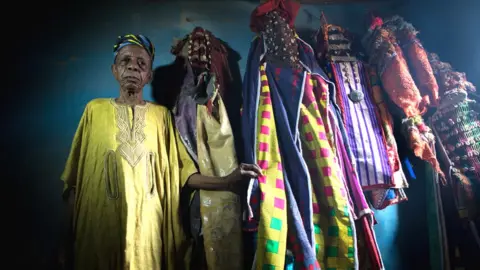
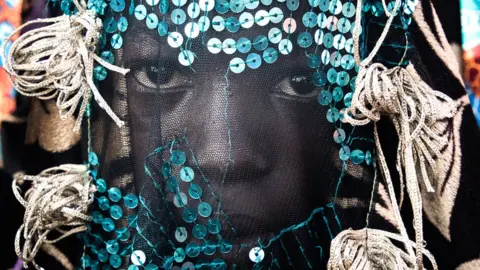
The festival revolves around the Egungun – a hidden fellowship of people who adopt elaborate masquerades and are supposed to morph into ancestral spirits during the event. Pictured here is an Iwo elder, shortly before his transformation.
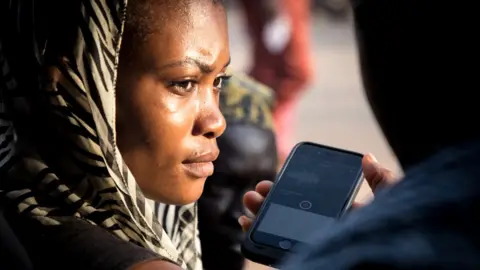
The festival provides an economic boost for the towns and cities in which it takes place. Urbanite tourists from Lagos and Abuja fill hotels, buy local food, and snap countless pictures on their phones.
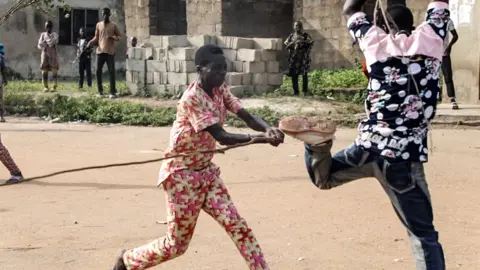
Flogging with saplings and canes is a common feature of Egungun celebrations. Young men compete with each other in shows of bravery and strength, whipping chests, legs and arms. Faces are off-limits however.
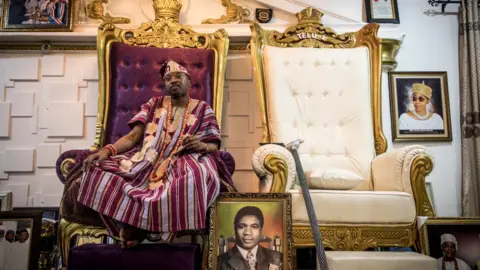
The King of Iwo, pictured here on his throne in the royal palace, is campaigning to raise the tourism appeal of the festival. “Yoruba culture is the most beautiful in the world,” he says.
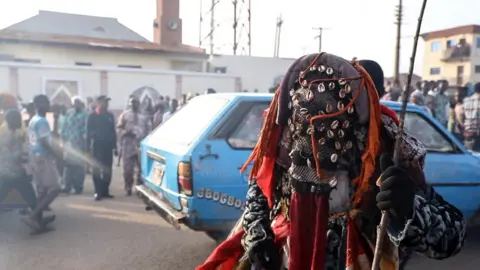
A masked Egungun dances through the streets in a state of spiritual euphoria, threatening people with his cane and badgering them for small change.
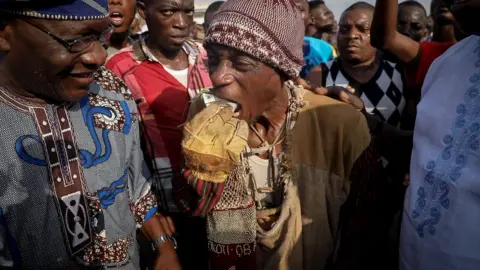
In the heat of a crowd, a warrior Egungun eats a small wad of money in his trance-like state. Devotees believe those who dance in the festival enter an altered state of being for the duration of their masquerade.
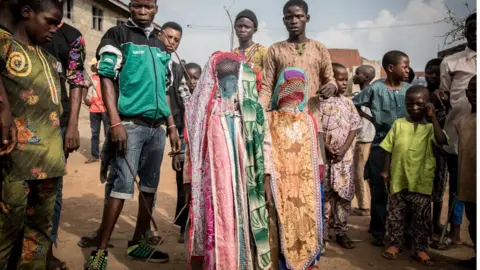
Children can also morph into an Egungun, dancing the streets from as young as five years old.
Although Egungun is a Yoruba festival, many believe it helps strengthen bonds in communities – bringing Christians, Muslims and traditionalists together in common celebration.

 BBC
BBC